
Speak Now or Feel It Later: What Franklin and Granville Need to Know Before WIC Cuts Become Law

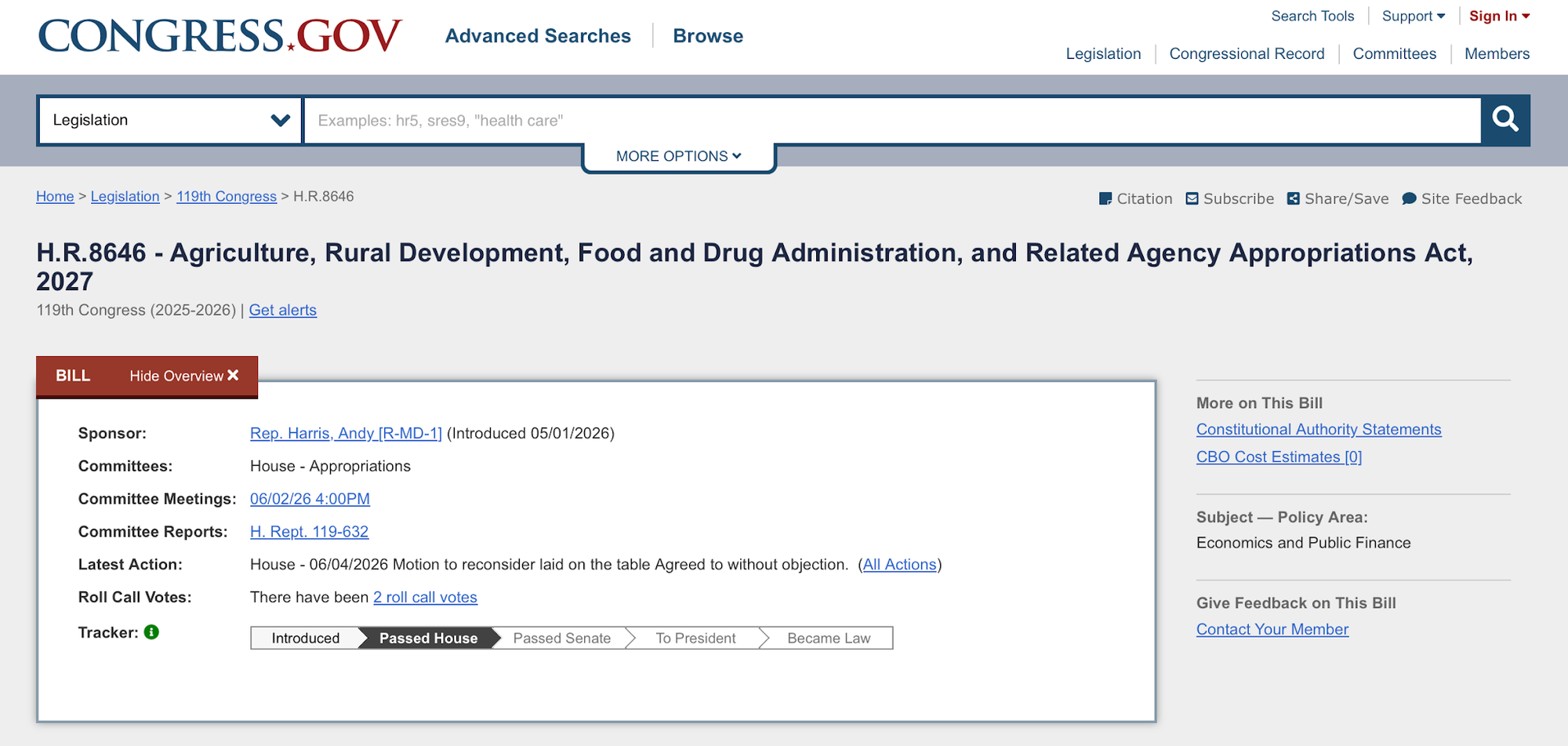
On June 4, 2026, the U.S. House of Representatives passed a Fiscal Year 2027 Agriculture, Rural Development, Food and Drug Administration funding bill that would cut nearly $200 million from the Women, Infants, and Children (WIC) nutrition program nationally. The bill now goes to the Senate for approval. Sometimes, laws passed in Washington, DC, can feel far removed from life in rural North Carolina. So let’s take a look at how folks in Franklin and Granville counties could be impacted if this bill becomes law.
In Franklin and Granville Counties, WIC is Essential.
The most recent North Carolina Department of Health and Human Services Medicaid-linked birth data shows that WIC is a primary support system embedded in prenatal care in Franklin and Granville Counties. In Granville County, 183 births depended on WIC for nutrition support in 2024. That’s 26% of all Granville County births that year. In Franklin County, that number is 161, or 19% of all 2024 births.
What the Federal Bill Actually Changes
The House Agriculture appropriations bill reduces WIC funding by approximately $200 million nationwide, primarily by cutting deeply into the program’s fruit and vegetable “cash-value benefit,” one of its most widely used nutrition supports.
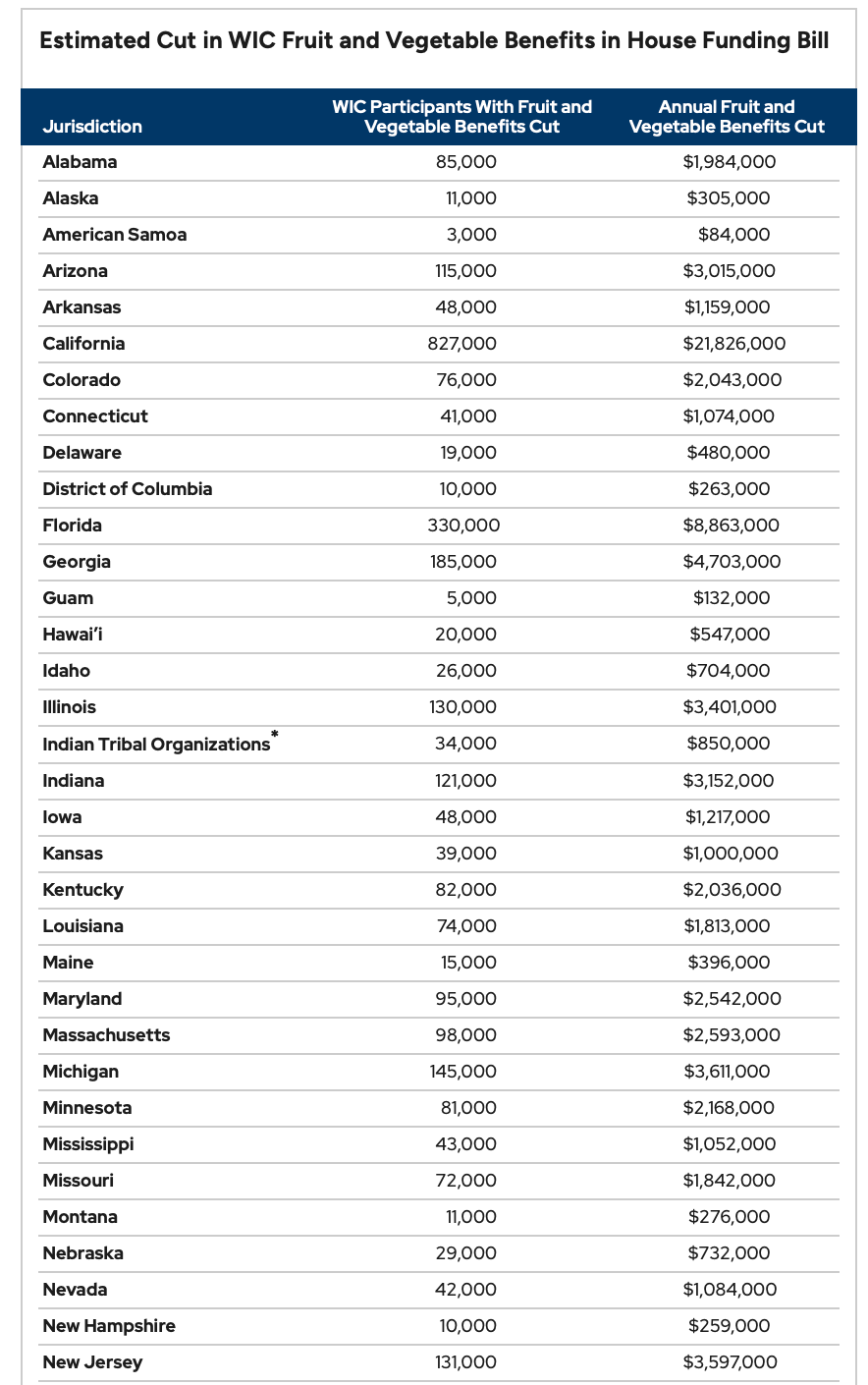
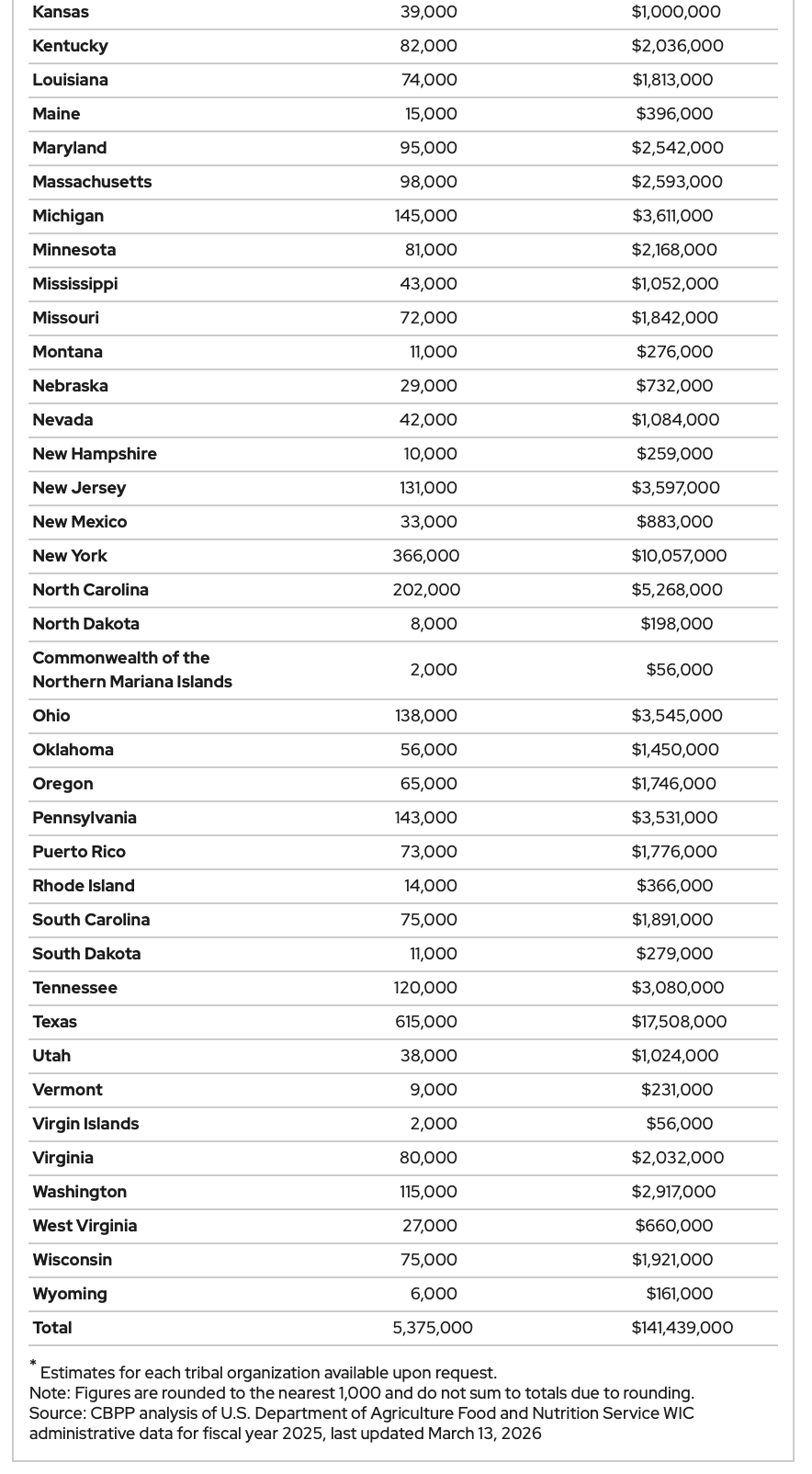
According to the Center on Budget and Policy Priorities, the legislation would remove approximately $141 million in fruit and vegetable benefits for approximately 5.4 million pregnant women, infants, and young children nationwide.
The Washington Post reported that under the proposal, monthly food assistance levels would be reduced, with benefits for children and breastfeeding mothers potentially dropping extremely low depending on category and participation status.
At present, WIC participants receive:
- About $26 per month for children’s fruits and vegetables
- About $47 per month for pregnant and postpartum women
- About $52 per month for breastfeeding mothers
Advocates, local and state leaders are warning that these reductions would directly limit access to fresh produce at a time when nutrition during pregnancy is strongly linked to birth outcomes, infant health, and early cognitive development.
Georgia Machell, NWA president and CEO of the National WIC Association said, “Fully funding WIC and protecting the fruit and vegetable benefit is the bare minimum needed to support families and secure a healthier future for the next generation. ”
The bill’s supporters cite declining WIC enrollment nationwide as the basis for these cuts. But according to Franklin County Health Director Scott LaVigne, that is NOT the case in Franklin County or North Carolina generally.
“In fact, our population is increasing, “ LaVigne said “If more people continue to qualify and receive WIC Staple and CVB Fruit & Vegetable allowances, and there’s (as a result of this bill) a reduced pot of money, Congress would either need to increase WIC funding (to keep the same amounts for more people using the program) or cut overall benefits to everyone in this future larger group of recipients.”
What Local Families Should Expect If the Bill Becomes Law
Both Franklin and Granville County are rural counties, meaning:
- Grocery access can be limited by distance
- Transportation barriers increase reliance on predictable monthly benefits
- Medicaid-linked prenatal care already serves as the primary healthcare access point for many families
With more than half of Medicaid births in both counties tied to WIC enrollment, any changes to these benefits will weaken a struggling maternal health support system that already operates at capacity.
If this bill is passed in its current form, Franklin and Granville Counties could experience:
- Reduced monthly food benefit amounts for WIC participants
- Increased pressure on county health departments administering WIC services
- Greater demand for already limited nutrition and maternal health support staff
- Strain on grocery systems in rural areas where WIC dollars circulate locally
- Cuts to other vital Health Department services
LaVigne said that one of the most troubling provisions in this bill is the total ban on virtual appointments. Franklin County currently conducts about 450 telehealth appointments each month. If this bill becomes law, those would have to be scheduled in person. As many WIC recipients are unable to make in-person appointments due to work (etc.), the county would have to increase after-hours staffing, which would increase overall personnel costs. Federal funding already does not cover the full cost of the program, so any increased cost will fall to the county.
“For legislators that extol the virtues of people working for their receipt of benefits, eliminating phone appointments would seem to undercut the ability of these folks to do just that,” LaVigne said. “Despite what some might believe, eliminating tele-appointments would make it harder for our WIC recipients to continue working and could paradoxically make them eligible for MORE federal programs if they were unable to continue working, just to maintain their WIC benefits and feed their family.”
Act Now or Pay Later
Residents of Franklin and Granville Counties should not write this off as just some appropriations conversation happening in Washington. Decisions made now will impact how local public health operates, how prenatal appointments are scheduled, how infants get their nutrition, and what our grocery budgets look like for years to come. Fortunately, there is still time to let North Carolina Senators know what you think. The choice is simple: speak up now, or feel it later.
Franklin County and Granville County WIC Program Providers