A Community Rising in the Face of a Growing Crisis

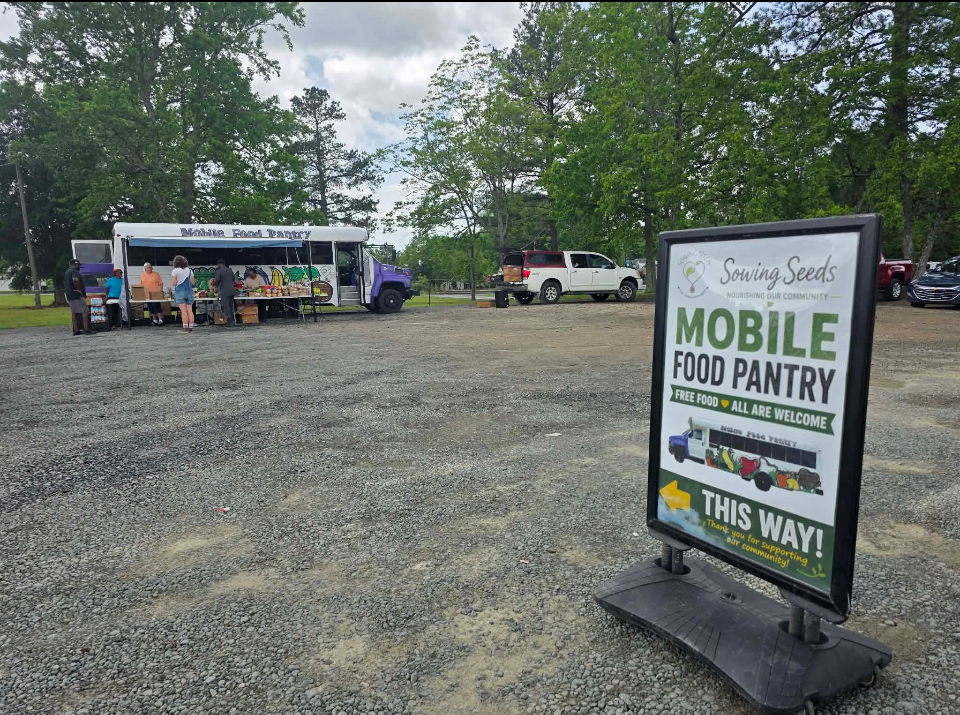
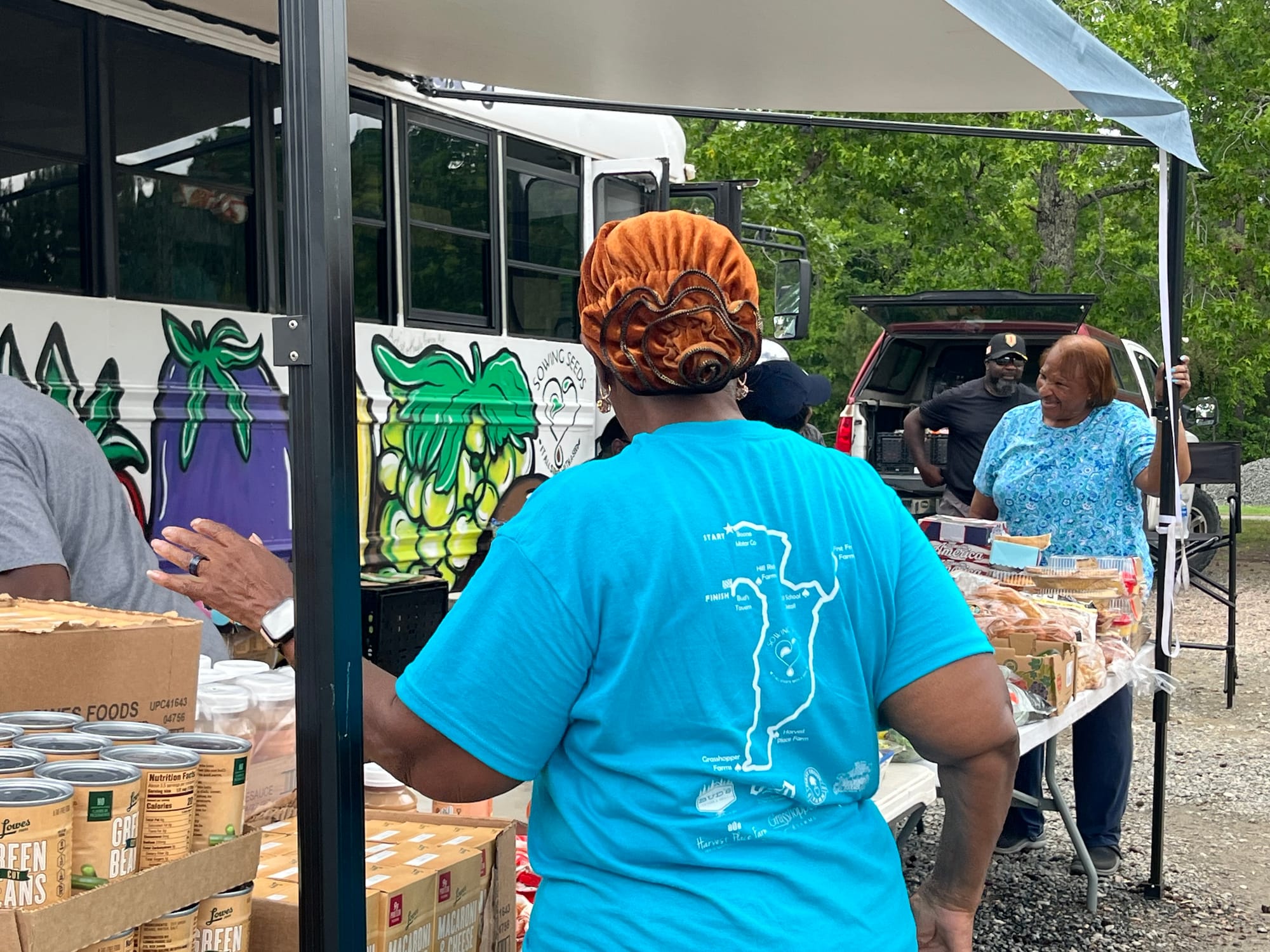
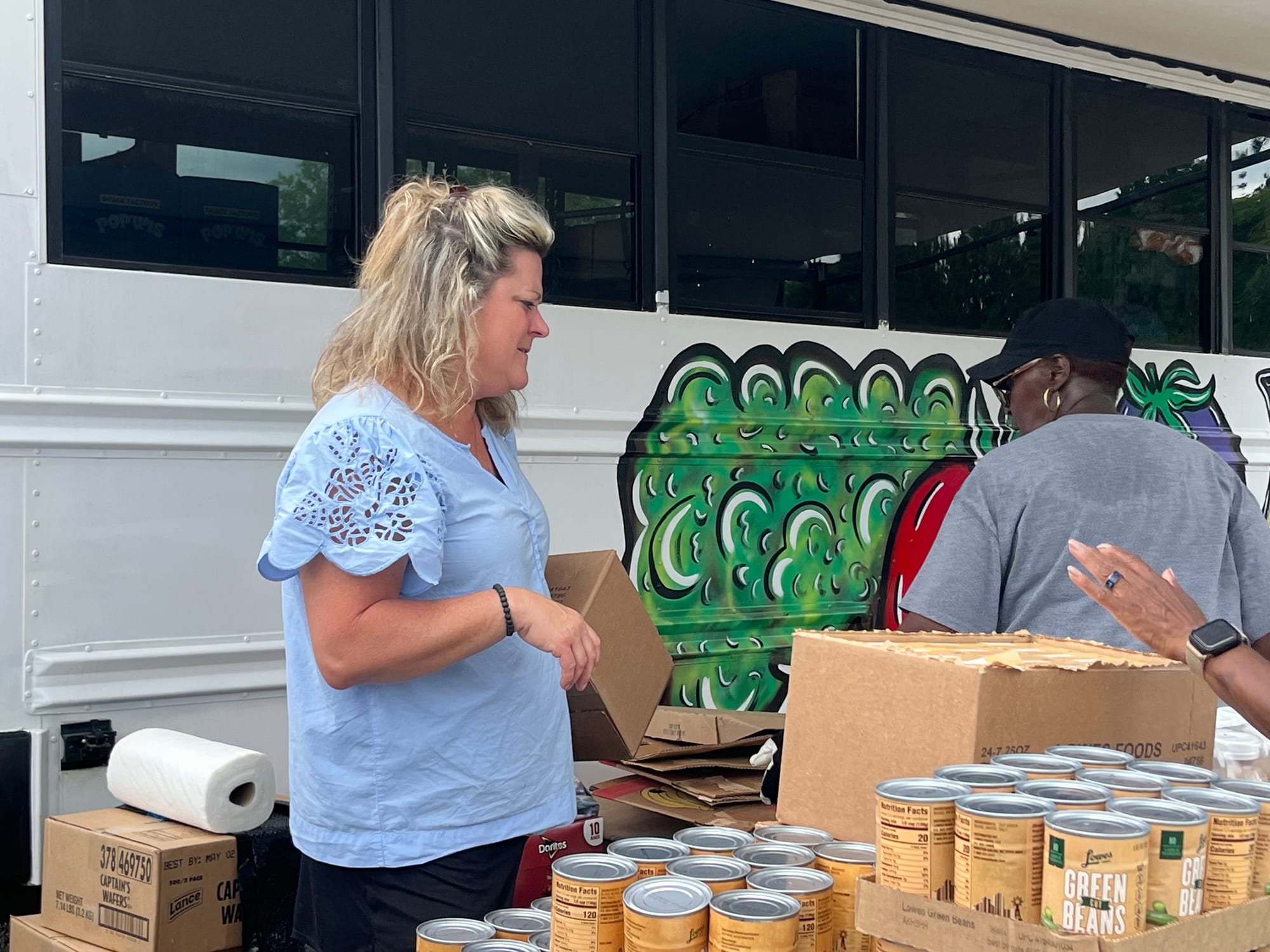
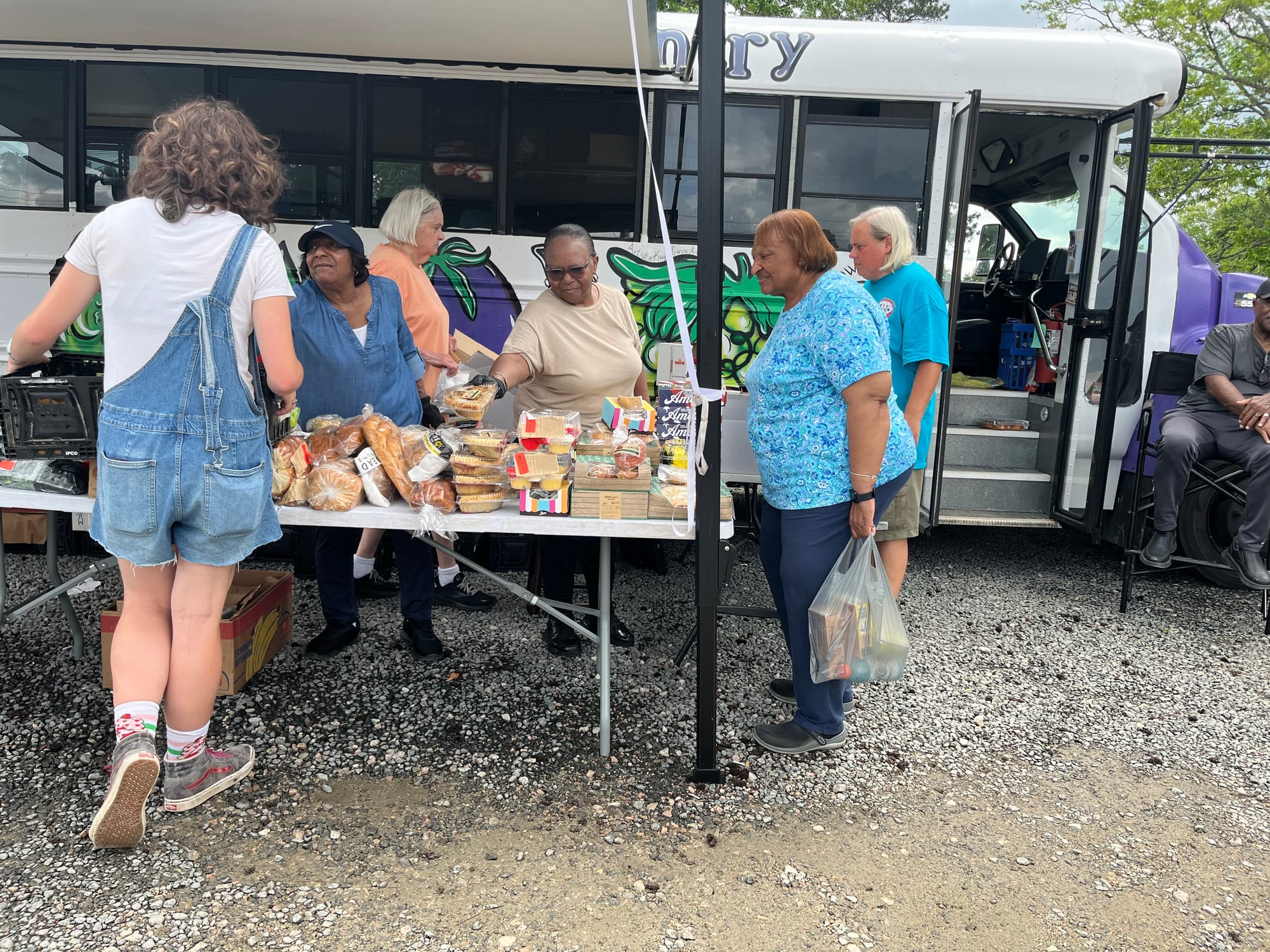
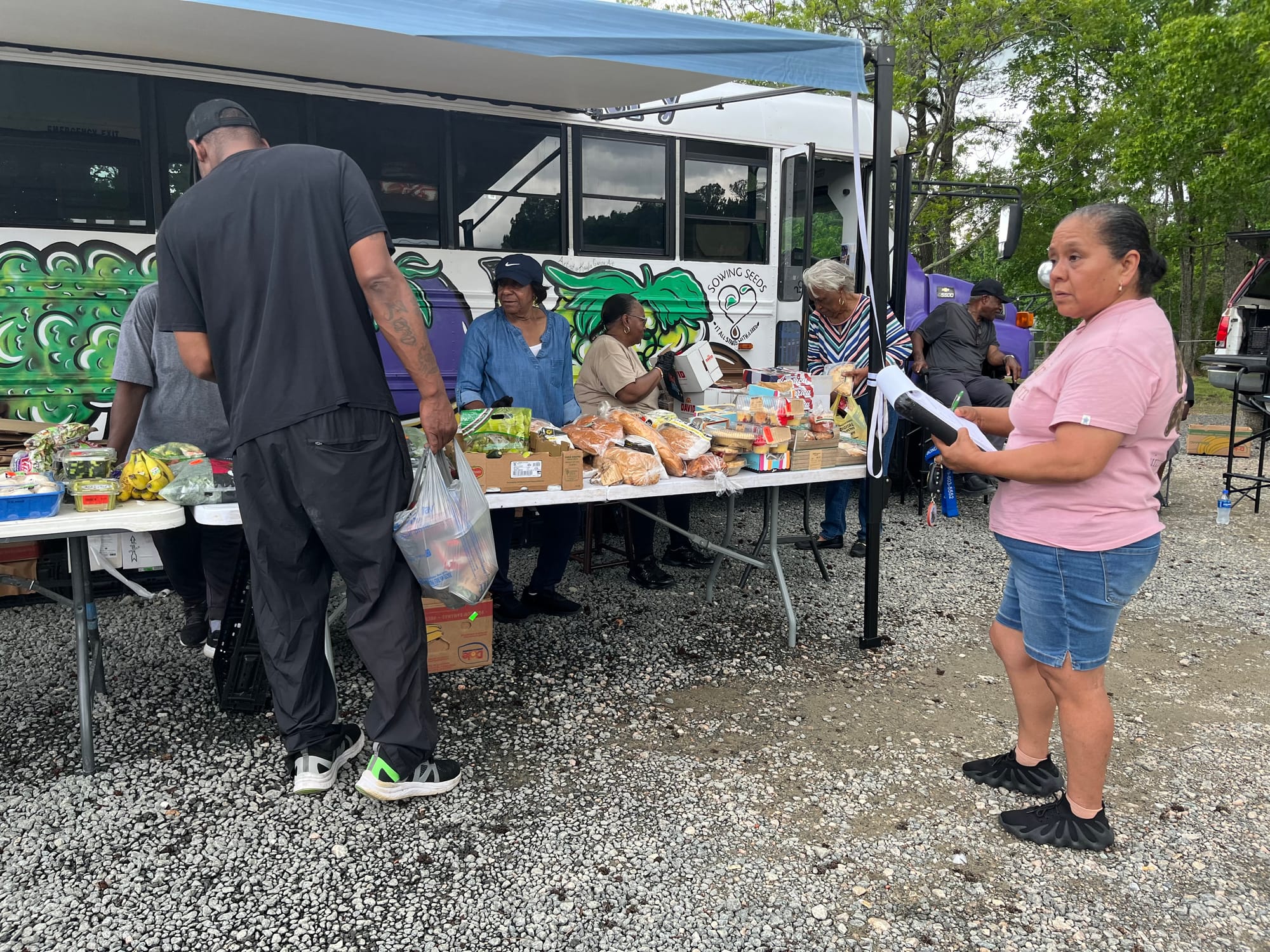
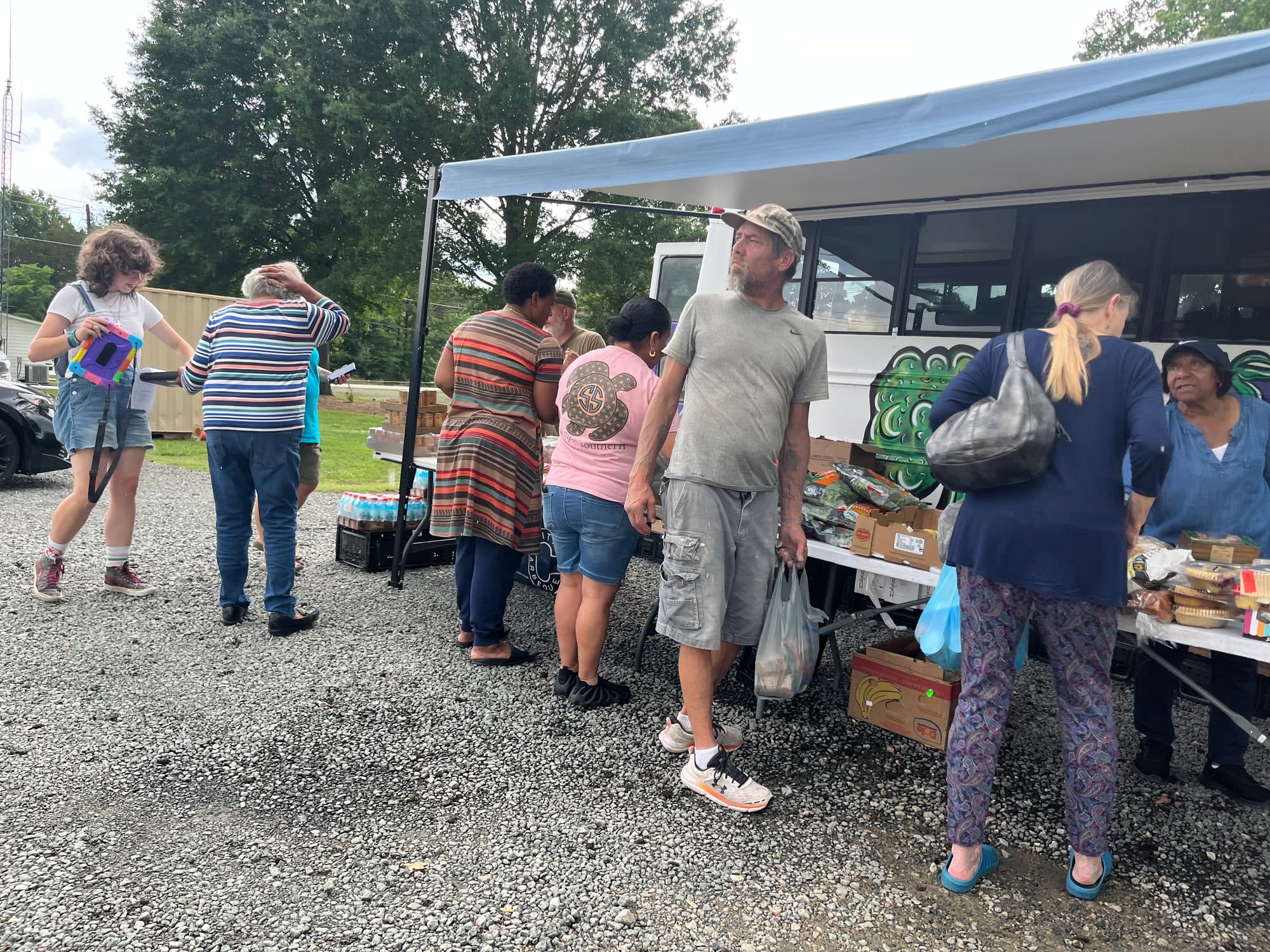
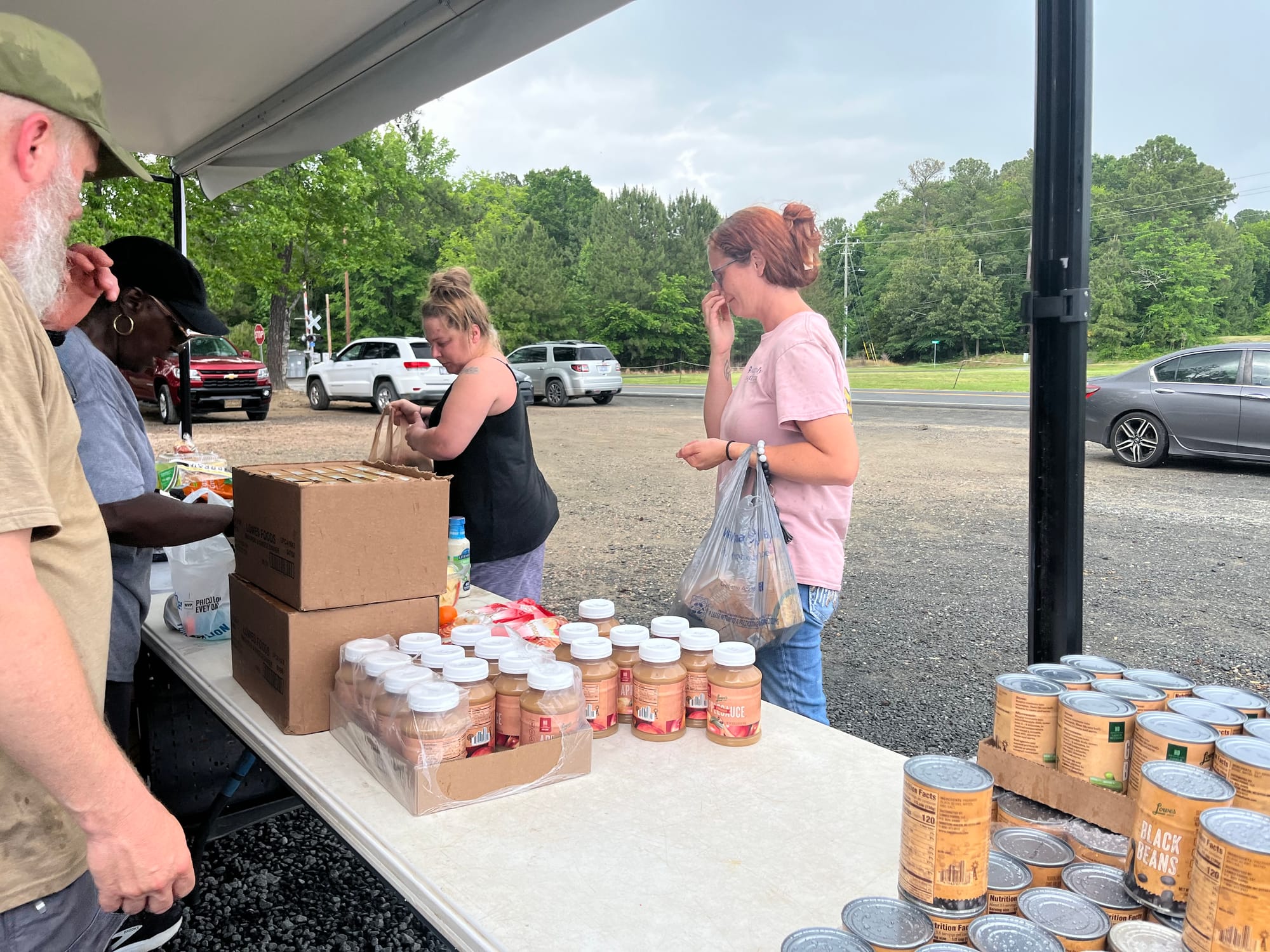
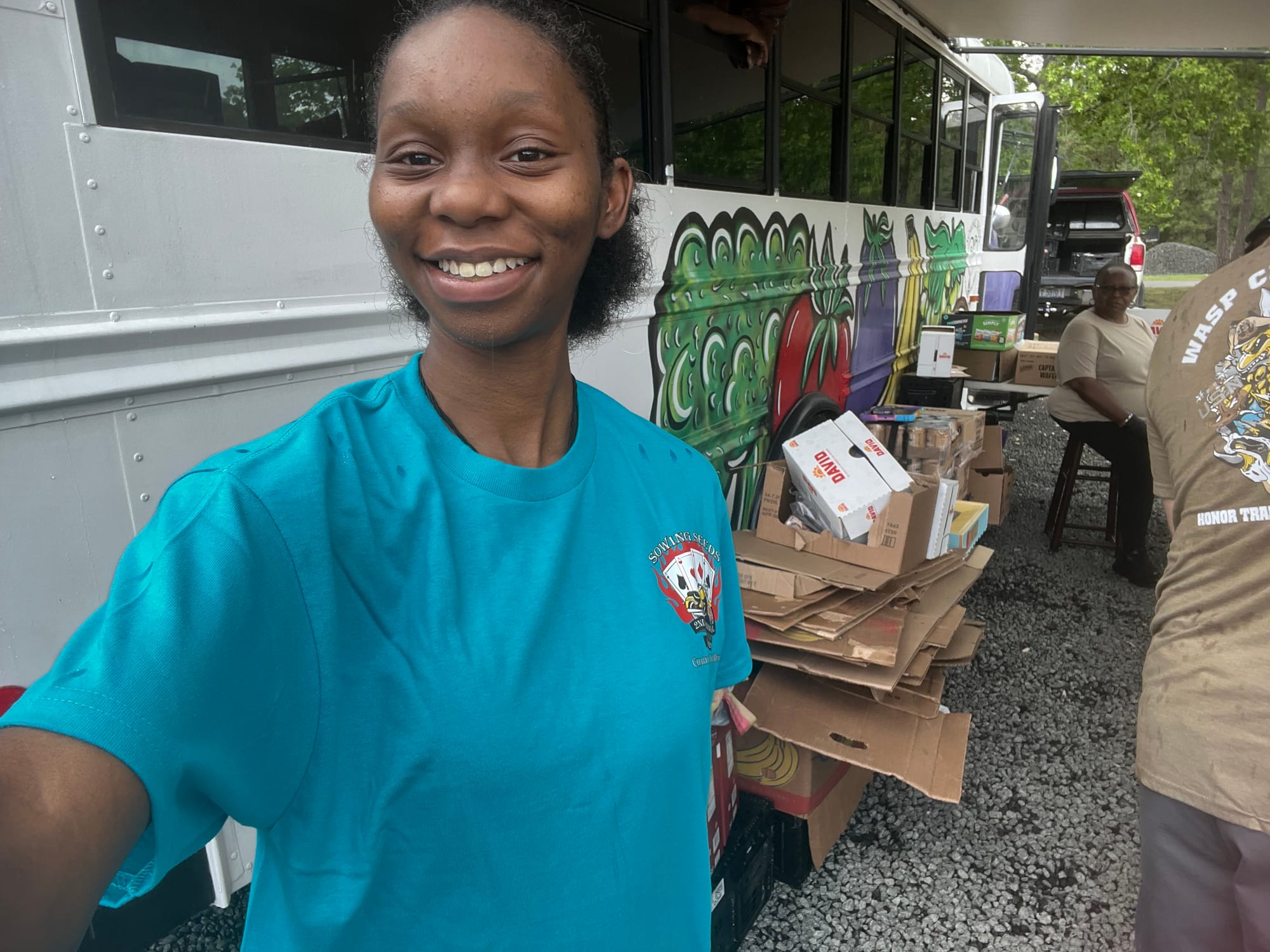
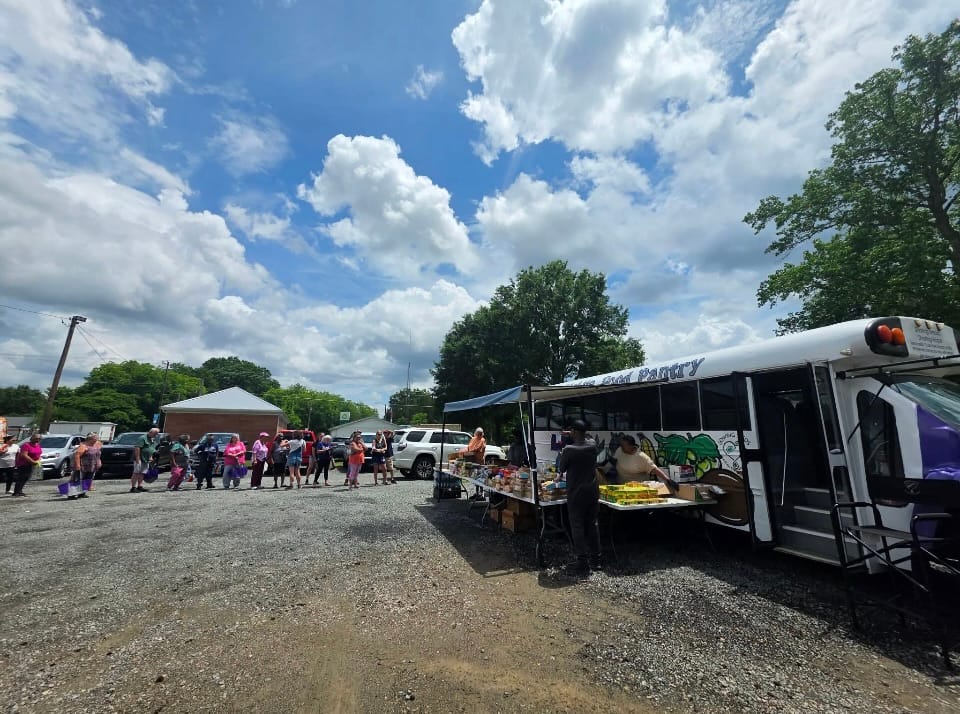
On May 26, I was invited by Mrs. Joni McPhetridge to come out to the Sowing Seeds mobile food pantry giveaway in Stem, North Carolina. When I arrived, I witnessed more than a moment of service – it was a direct response to a crisis that is already affecting the lives of many families across our region. When Sowing Seeds NC pulled into the parking lot, community members were there, waiting in their cars, ready to help out. Without being told, they all got out and started unloading, organizing, and working together.
Joni McPhetridge explained, “One of the things we try to promote with the mobile pantry is we want to go and set up the pantry somewhere, and then the community comes and actually runs it.” As she looked around at what was happening, she added, “We just bring the food, and then the community takes over.” It was clear that this was about more than just providing food; it was about creating a space where the community was a part of something, not just a charity case.
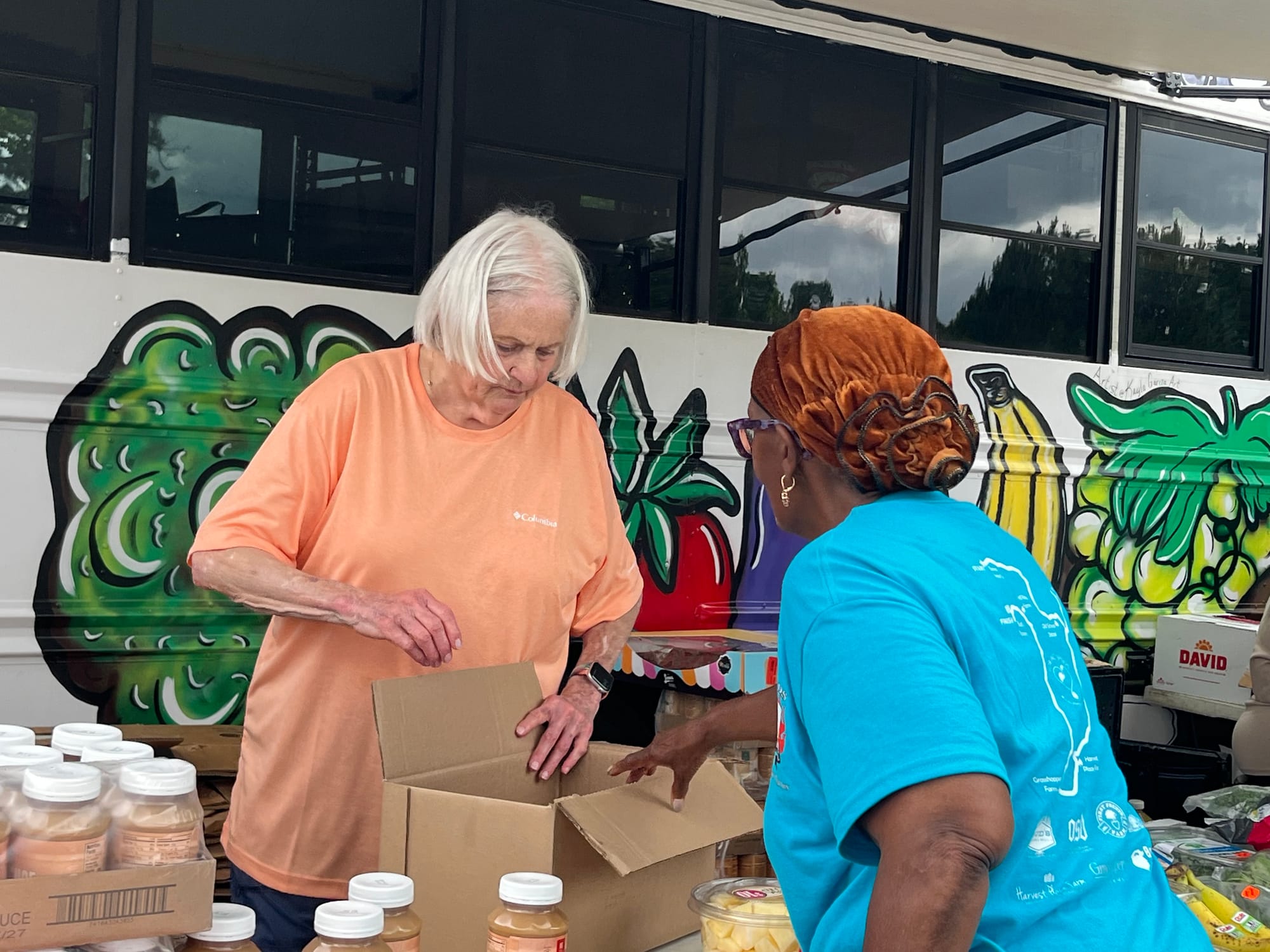
In addition to Sowing Seeds, Stem Ruritan Club and Agape Worship Center were there to help out. It was a beautiful act of community to witness, but as more families arrived, the scope of the crisis came into focus.
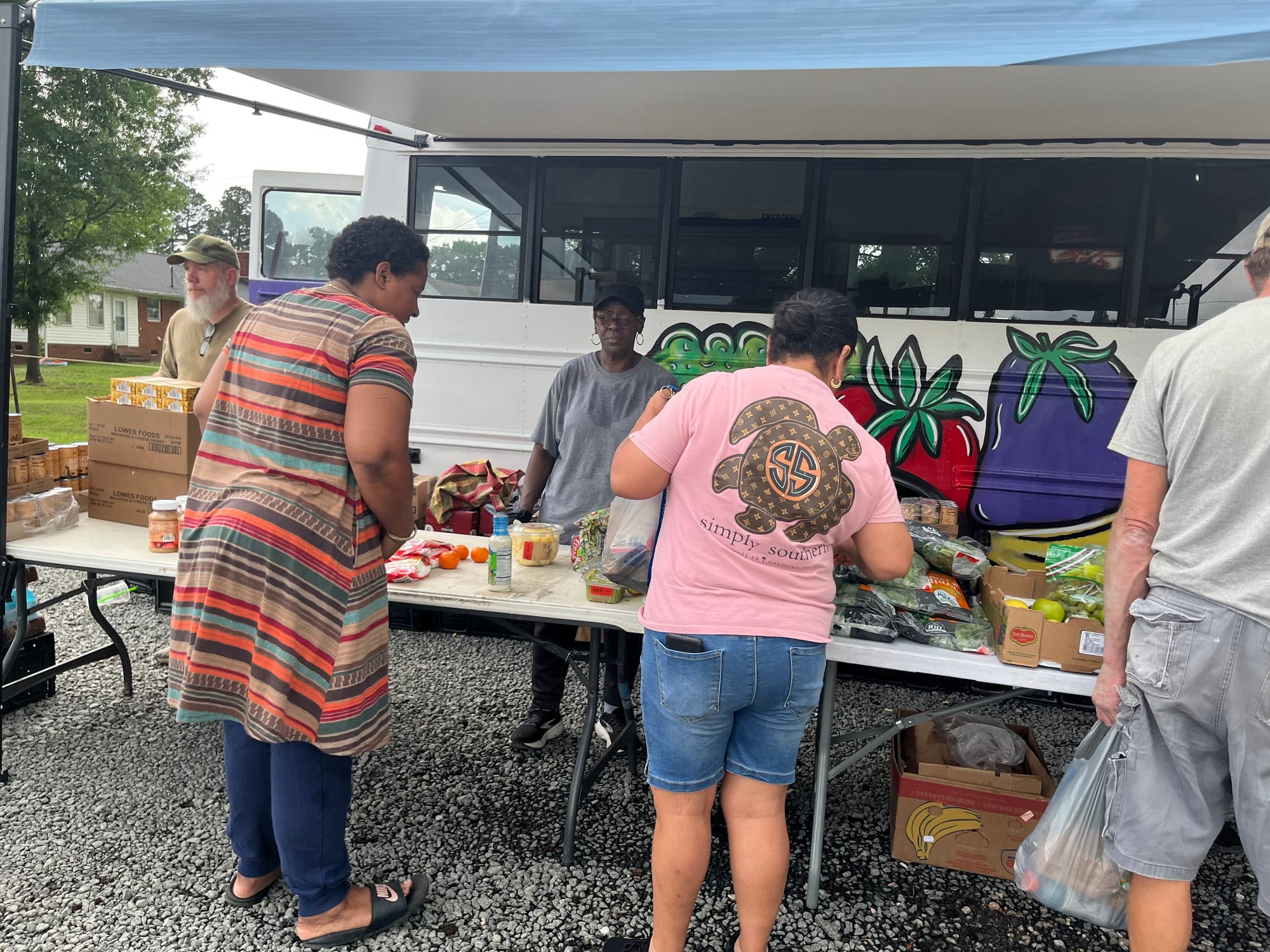
AJ Spiess with STEM Ruritan Club (Left) and Phyllis Cooper with Agape Worship Center (Right) volunteering at the Sowing Seeds NC mobile food pantry.
In North Carolina, more than 1.6 million people are facing food insecurity, including hundreds of thousands of children. Here in our local communities, these numbers have continued to rise. In Franklin County and Granville County, thousands of residents are food insecure, meaning not all families have consistent access to enough food to live healthy and stable lives.
Too many of you will probably only see the numbers. But for me, what I see is the real people behind those numbers. Real families struggle, trying to make real decisions around stretching meals, skipping essentials, and choosing what they can afford over what they actually need.
The reality of hunger is not just about having food. It is about having food that lasts, that nourishes, and that supports families beyond just “today”.
This is what makes Sowing Seeds NC unique. Their mission doesn't stop at feeding people today. It continues by preparing people for tomorrow.
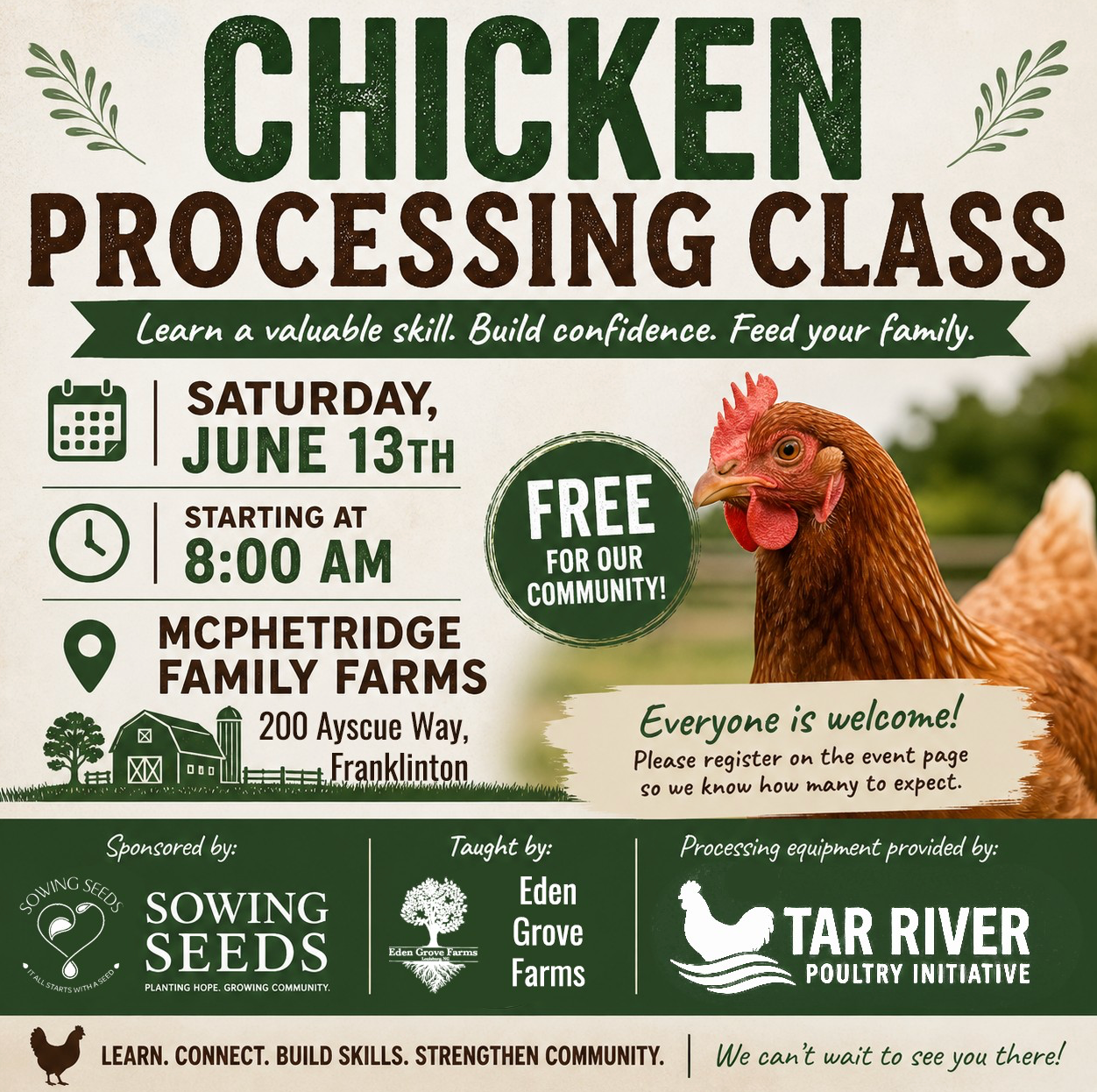
On June 13th, they are sponsoring a Free Chicken Processing Class to teach the community how to safely and humanely process their own food. Classes like these offer practical skills folks can use to feed their families and become more self-sufficient in a time when the cost of living is rising and stability is harder to come by.
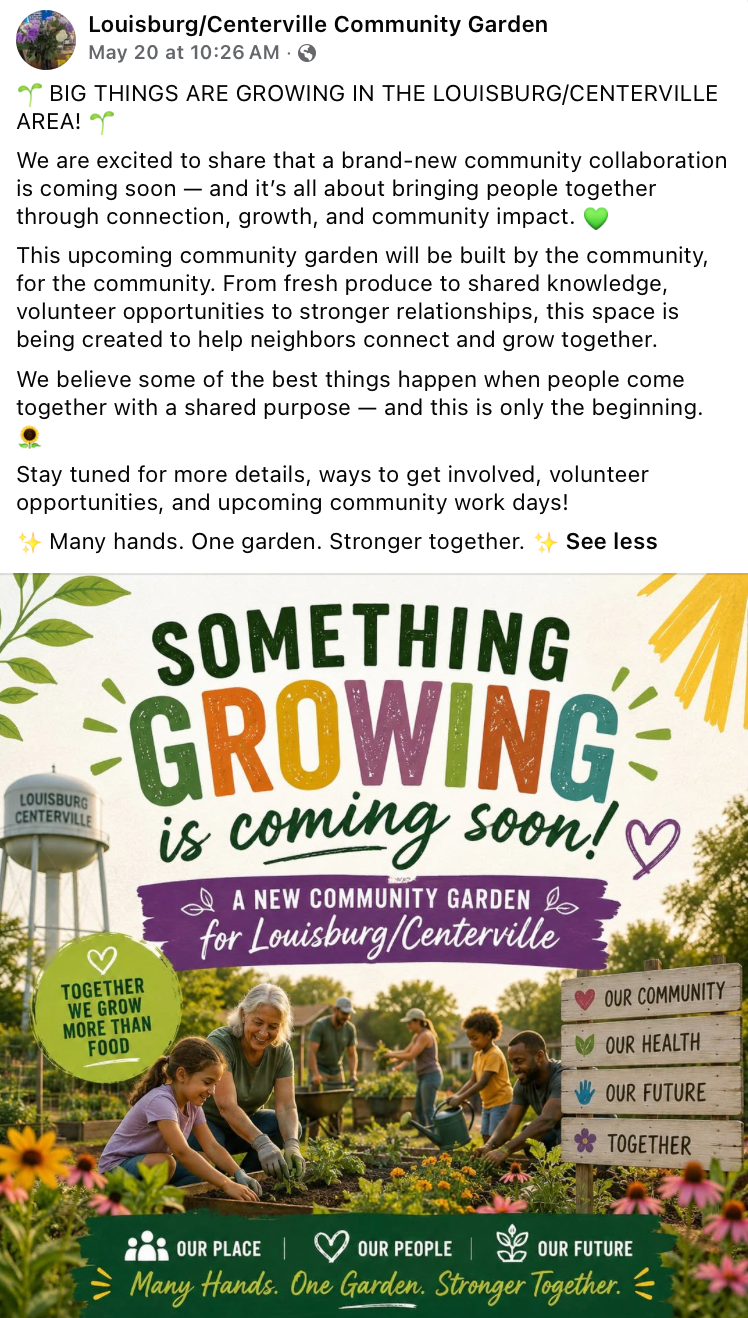
Local businesses are stepping up as well. Paully’s Pizza and Mama Dy’s Soap are partnering with Sowing Seeds to start a community garden in Centerville, NC. This is a community-driven project rooted in long-term change, showing what can happen when organizations come together with a shared purpose.
As shared in their community updates:
Across the state, efforts like these are being recognized as essential. Sowing Seeds NC's Joni McPhetridge and Patricia Adams were recently honored through the Governor’s Medallion Award for Volunteer Service, reinforcing the idea that real change is often driven by local people doing consistent, community-centered work.
Food insecurity is not coming – it’s already here and affecting millions across the state and thousands right here at home. But what I saw at the food giveaway made something else just as clear. Solutions are already being built by people who are willing to show up, step in and take responsibility for the well-being of their community.
So this is not just a story about what happened. This is a call to action for what happens next.
We need to start showing up when these opportunities come and giving what we can – especially what families actually need. We have to start learning the skills that create independence, and we need to support the work to build long-term solutions.
At the end of the day, this is bigger than a single day or one organization. This is about whether we, as a community, are willing to respond to a real problem with real action.
And after what I saw in Stem, I know that we can.