Inside the Granville County Lab Where Students Discover the Future is Within Reach

When people hear words like robotics, automation, artificial intelligence and advanced manufacturing, they tend to become overwhelmed and intimidated. When you ask them if they see themselves doing it, most people say no.
But there is one man who is quietly working to change that mindset one student at a time.
After spending a few hours with David Bullock inside the Vance-Granville Community College Mechatronics Lab, I realized this program is about more than robots or machines – it’s about one educator refusing to let our communities think they are too small or too disconnected to have a place in the future of technology.
I first met David Bullock during the Young Adult Hiring Event I covered back in April, where students from Franklin, Granville, Warren, Vance and Person counties visited the tables of employers and workforce programs searching for direction and opportunity. While most employers focused on recruitment, Bullock had something else in mind. He connected with students like someone who understands that one conversation can change a person’s life.
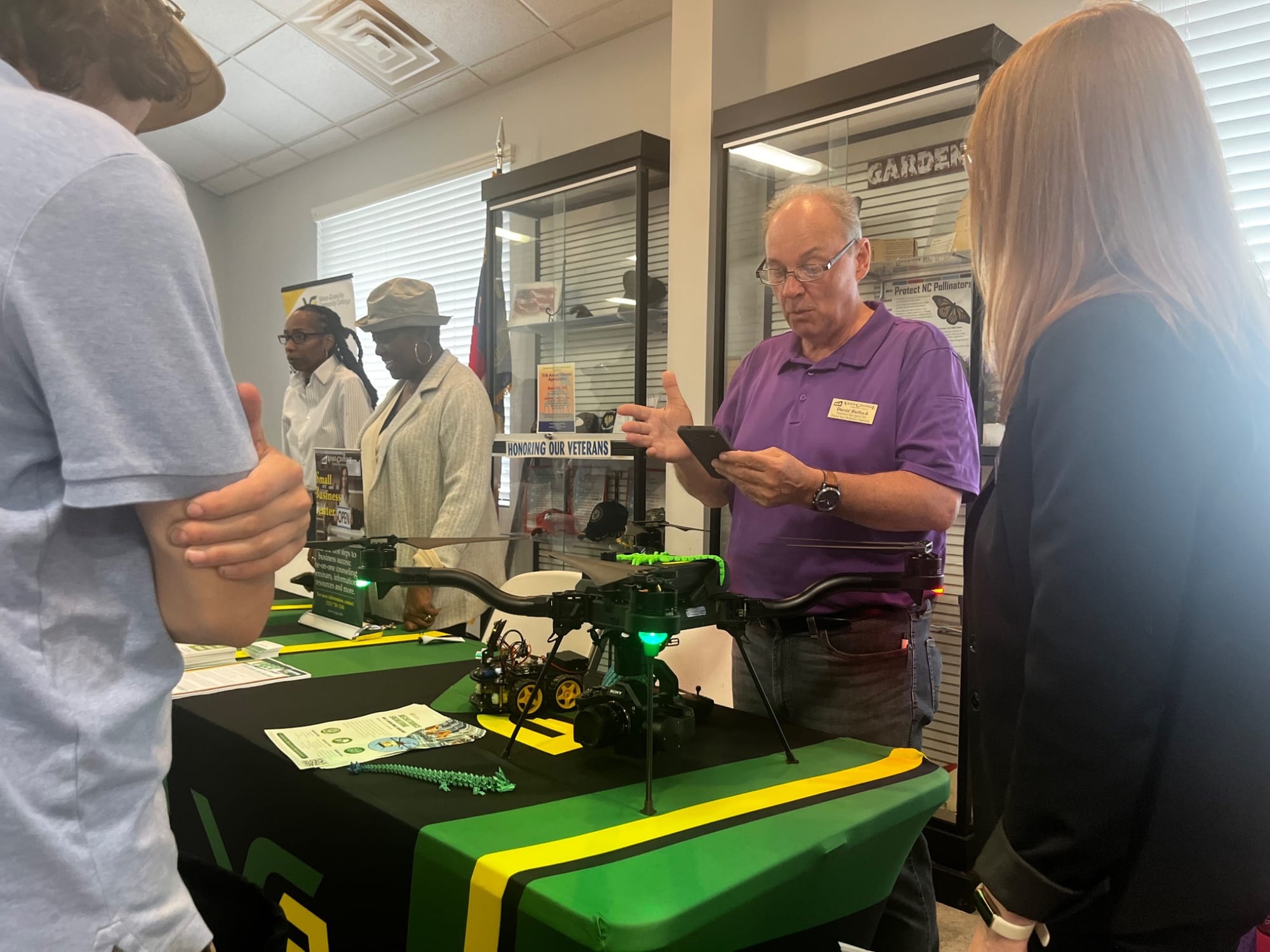
While I was there, he invited me to come by one day to tour the Mechatronics Engineering program.
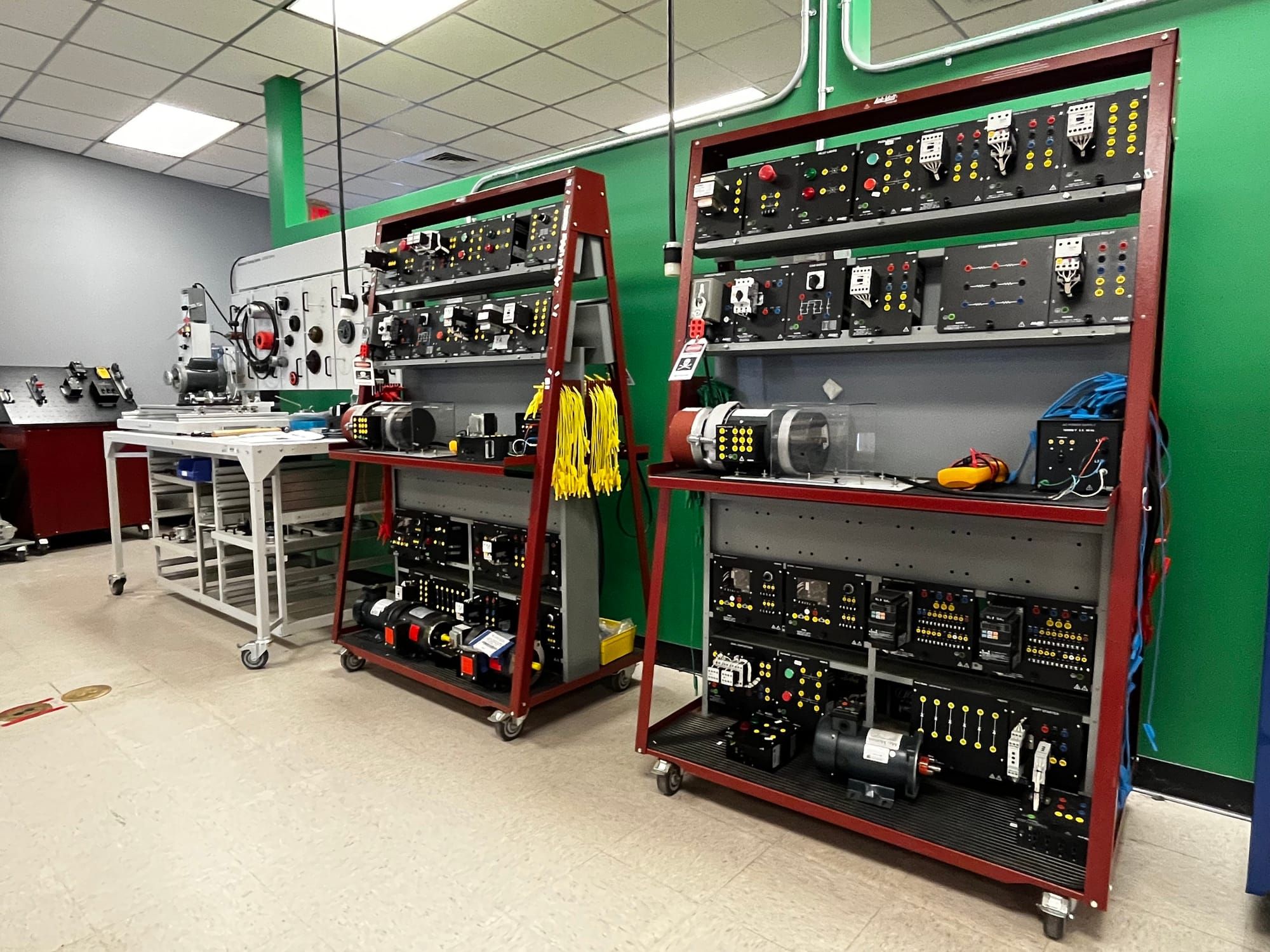
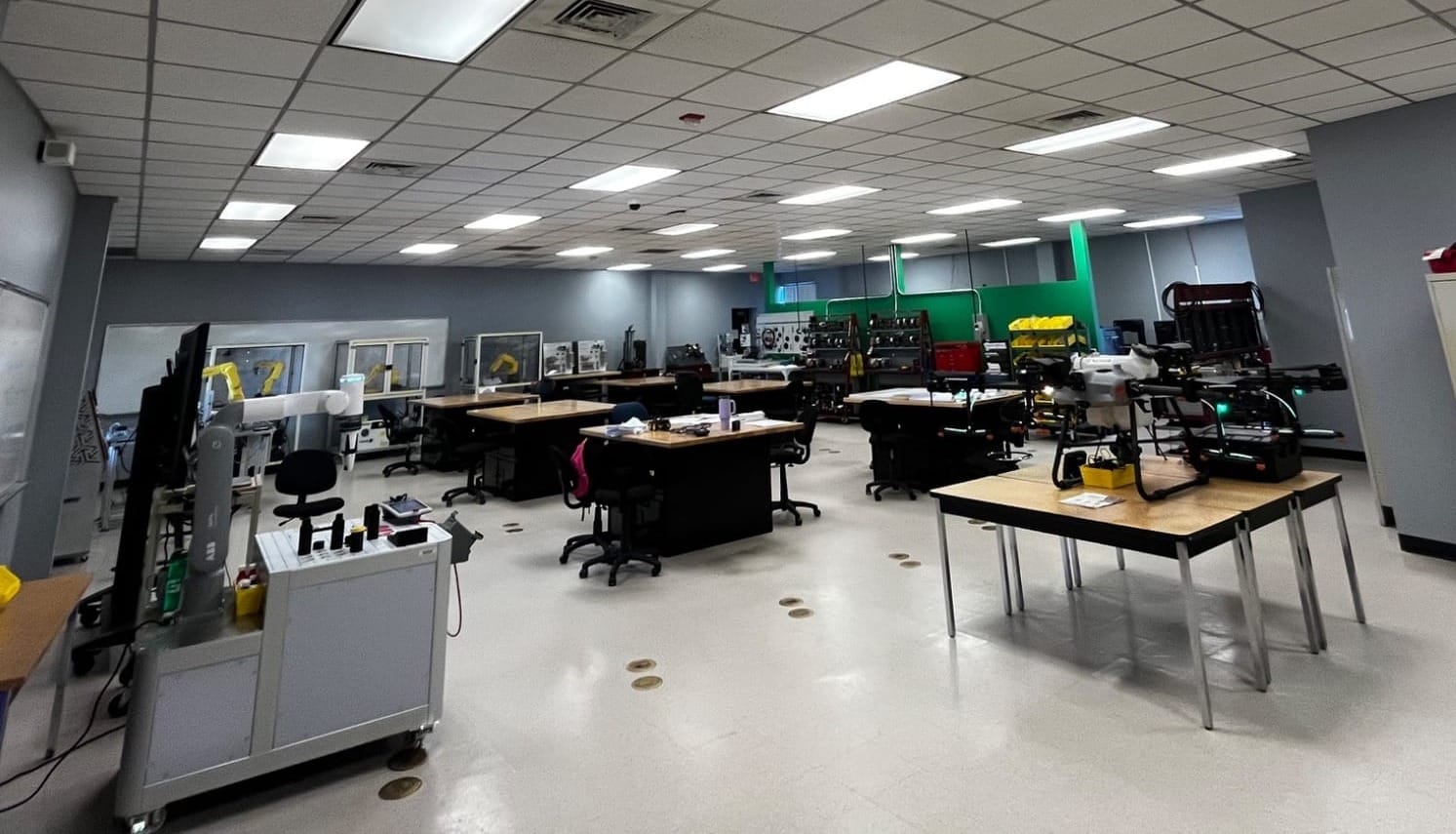
Walking into the classroom, you see industrial robotic arms stretched across workstations while advanced control systems blink with streams of programming commands and automation signals. Drones sit on tables waiting for demonstrations and stations are set up forr students to learn about programmable logic controllers, robotics systems, electrical circuitry, automation technology and industrial maintenance equipment used in industries rapidly growing across North Carolina.
Despite all the advanced technology surrounding us, David Bullock makes the entire room feel approachable. He has a way of removing fear from technology.
Instead of using a lot of technical jargon, Bullock teaches in a relatable way. He understands that many students walking into his lab are already doubting themselves, believing careers in robotics, engineering, artificial intelligence or automation belong to somebody else.
During my tour, he put me in front of a FANUC industrial robot and started teaching me how to create my own robotic program. I laughed nervously because programming robots sounded like something for people with years of technical experience.
But David Bullock knows otherwise.
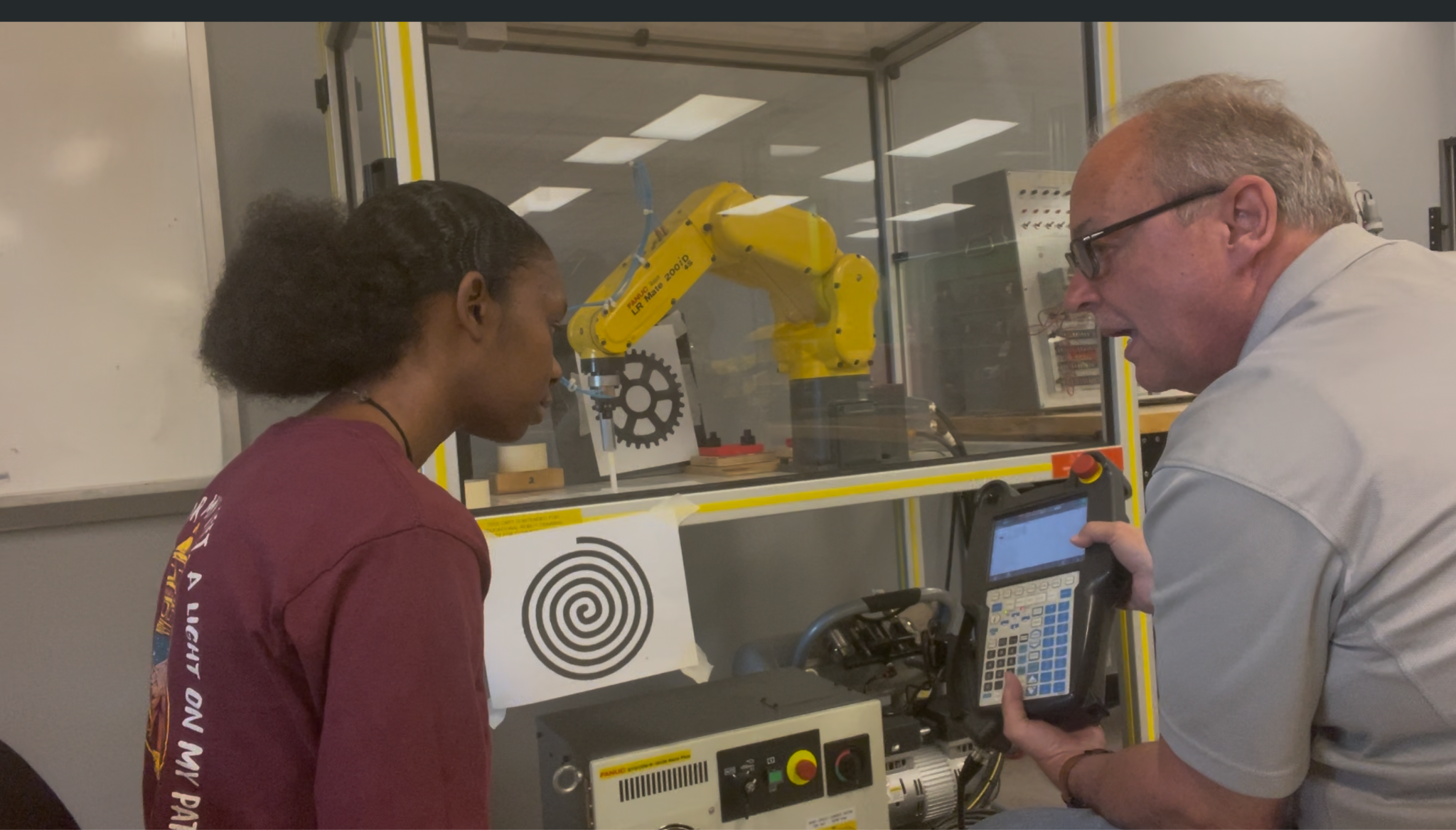
He walked me through the process step by step, while explaining how the robot responds to commands, how automation systems communicate and how robotic programming is often about patience and problem-solving rather than perfection.
And then it responded to my commands.I was instantly filled with joy and excitement.
For a moment, I stopped being a reporter observing technology and became someone experiencing it in real time.
David Bullock smiled proudly and responded, “Congratulations, you made your first program.”
It may not sound like much to somebody reading this, but for me, it was a moment of unlocking a new possibility I never saw myself having.
Because too many young people in communities like mine have convinced themselves that they are not smart enough for these industries. Adults think it's too late to start over and most communities still imagine manufacturing as repetitive factory work instead of the highly advanced technology industry it has become.
David Bullock is fighting those misconceptions every single day.
During my tour, he explained that 3D printing alone has already become a $27 billion industry and could grow to nearly $150 billion within the next several years, sharing thatthe medical industry has become one of the biggest users of 3D printing technology because companies can now create medical instruments, casts and even bone grafts through advanced printing systems.
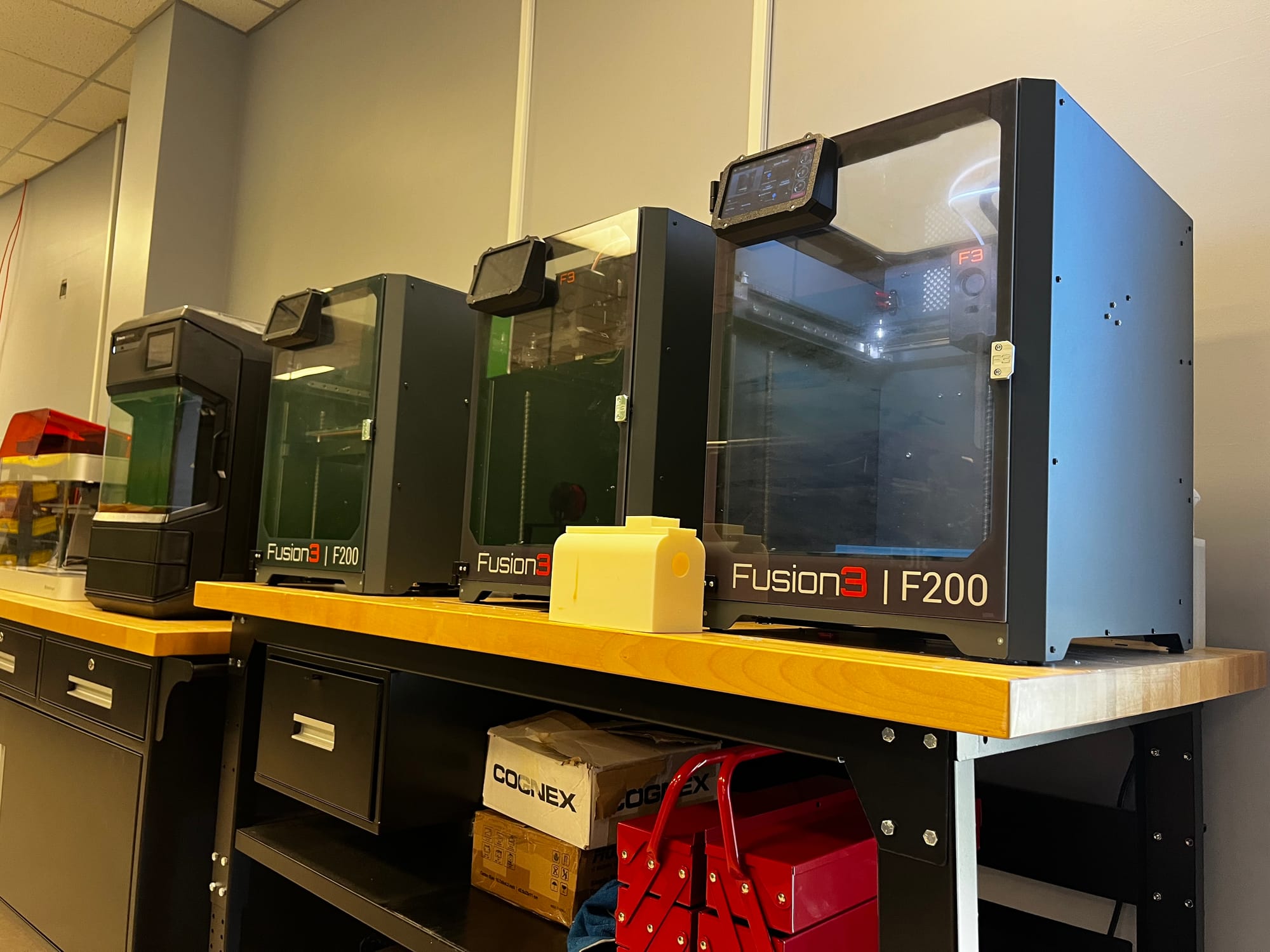
“They can actually create a new medical instrument with it, 3D print it, try it out, and if it works, then they know to go into production.”
He then walked me to his favorite new classroom addition, the Thermoforming Center 911, where he showed me how vacuum forming and plastic molding work in real manufacturing environments.
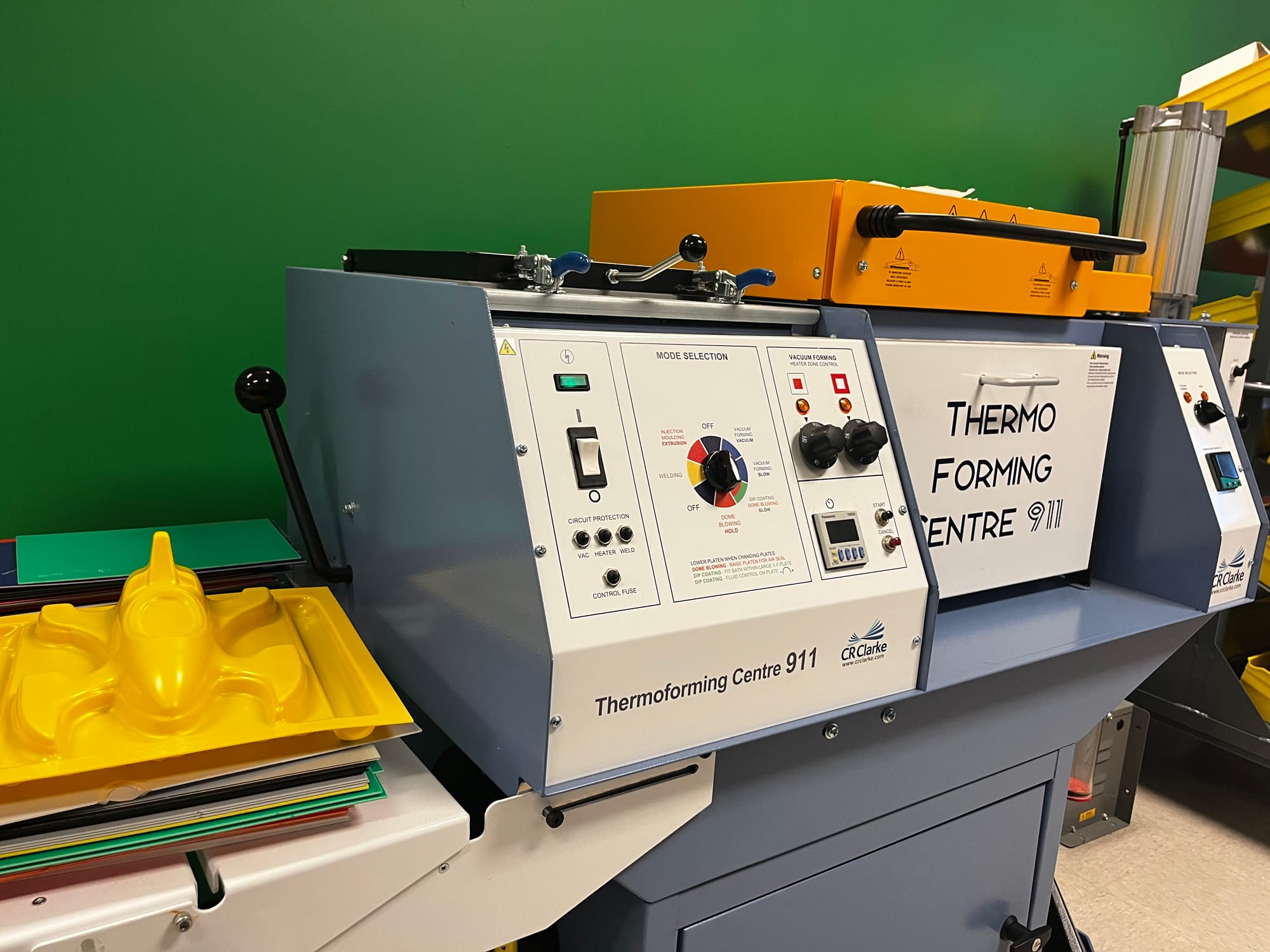
“Believe it or not, 80% of everything in the world is made of plastic.”
He connected the lesson directly back to local industries – how companies like Plastic Ingenuity in Oxford manufacture products many people use every day without even realizing where they come from.
This was something he did constantly throughout the tour.He was always able to connect advanced technology back to everyday life.
He explained how automation technology already surrounds us, whether people notice it or not.
Like Revlon using thousands of robots in manufacturing facilities, orhow restaurants now use robotic systems and the Town and Country in Creedmoor uses a shelf-scanning robot named Tally. He helps students understand that they can be the people operating, programming and designing those systems instead of fearing them.
He knows this because he’s lived it. Before becoming an instructor, he worked for Newton Metal Fabrication, programming robotic welding systems. He even helped design technology connected to Redbox systems years ago.
Despite all his experience, what stood out most was not his résumé, but his love for his students.
David Bullock strongly believes that students should be guided, not controlled. He creates detailed instructional guides and teaches students carefully, but then he allows them to troubleshoot independently because he believes mistakes are often the best teachers. He wants students to learn how to think critically instead of depending on somebody else to solve every problem for them.
As I listened to him speak, it became clear his philosophy was more than just about robotics.
It was about teaching resilience and confidence, while teaching you how not to quit on yourself.
He proudly shared stories about students now working at companies like Altec in Creedmoor, Air Products, Revlon and other manufacturing facilities across the region. He also talked about apprenticeship opportunities connected to Ontic, the aerospace company that partnered with VGCC to help students gain real-world experience while still completing their education.
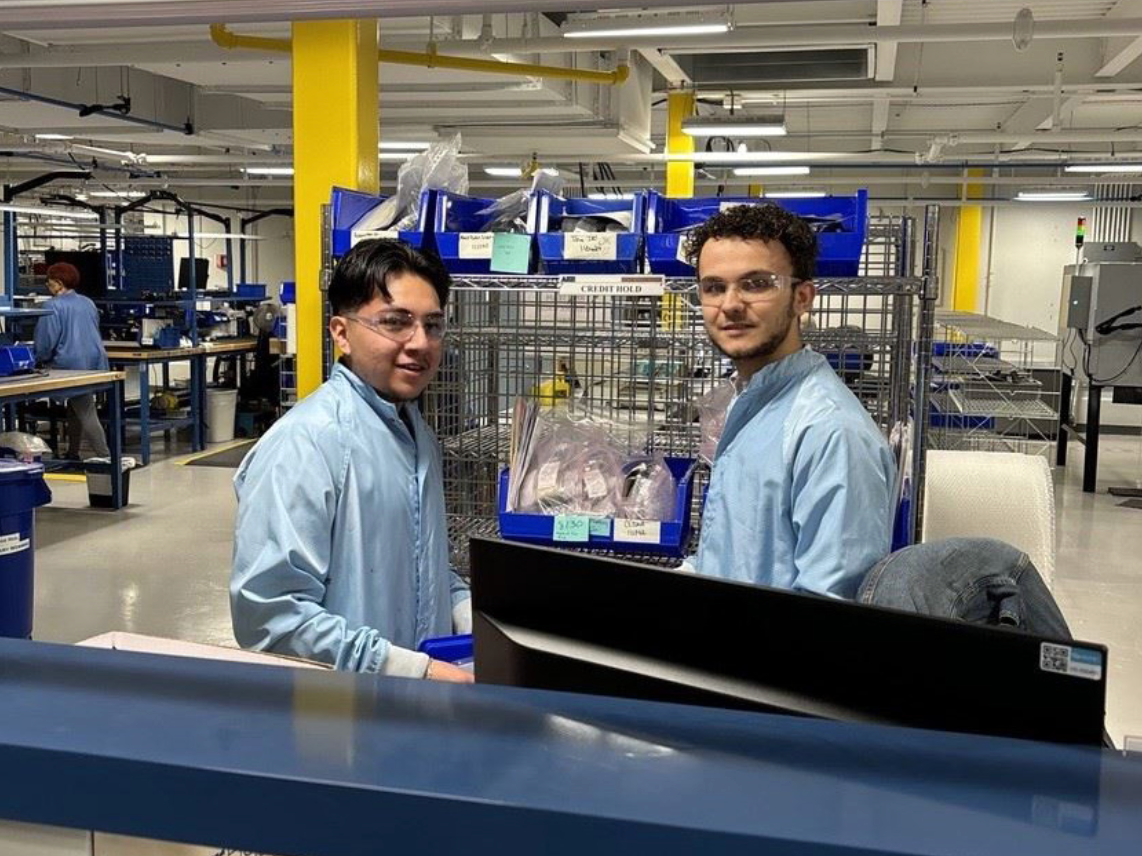
According to VGCC materials, students Omar Ramos-Espinoza and Joey Richmond became Ontic’s first local apprentices through the partnership.
“Our Department Chair [David Bullock] is a big advocate for getting people into the workplace while learning,” Joey shared through VGCC publications.
This is core to David Bullock’s mission. He isn't just preparing students to pass classes, he’s preparing them to survive and thrive in the real world.
One of the most inspiring moments of the tour was when he proudly explained that the original layout concept for the new advanced manufacturing building being developed by VGCC was actually designed by his students back in March 2024. While professional modifications were later added, the foundation of the design came from students.
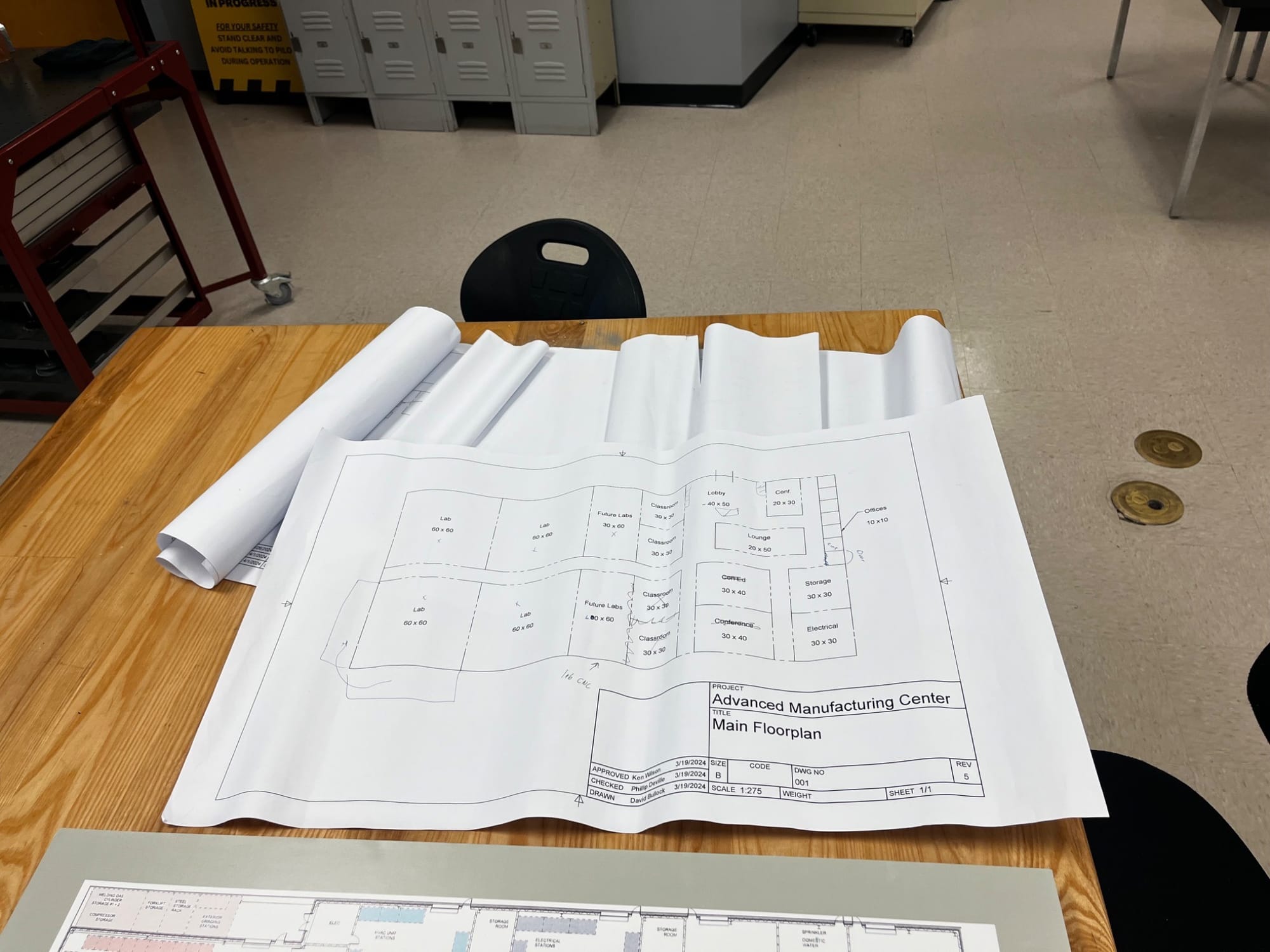
Now stop and think about how powerful that is for a moment.
Students from our communities help design the future building where future generations will one day learn.
This wasn't just simply an assignment to complete. This was giving them an opportunity to create a legacy.
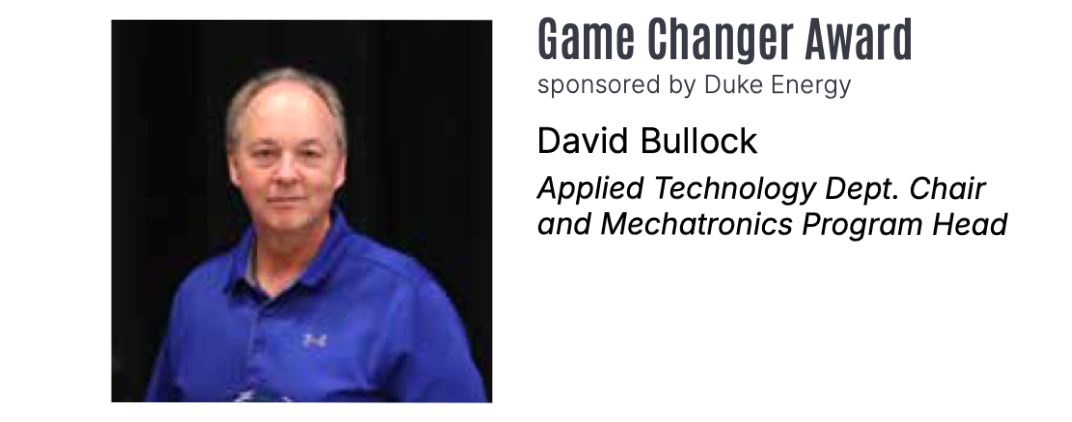
Recently, Bullock received VGCC’s “Game Changer Award,” and honestly, after seeing his work firsthand, the title could not feel more accurate.
Because while most people are still debating whether the future is coming, David Bullock is already standing inside a classroom in Creedmoor, North Carolina making sure our communities are ready for it when it arrives.
For David Bullock, he is helping students understand they do not have to fear technology.
They can build it, program it, but most importantly, lead it.