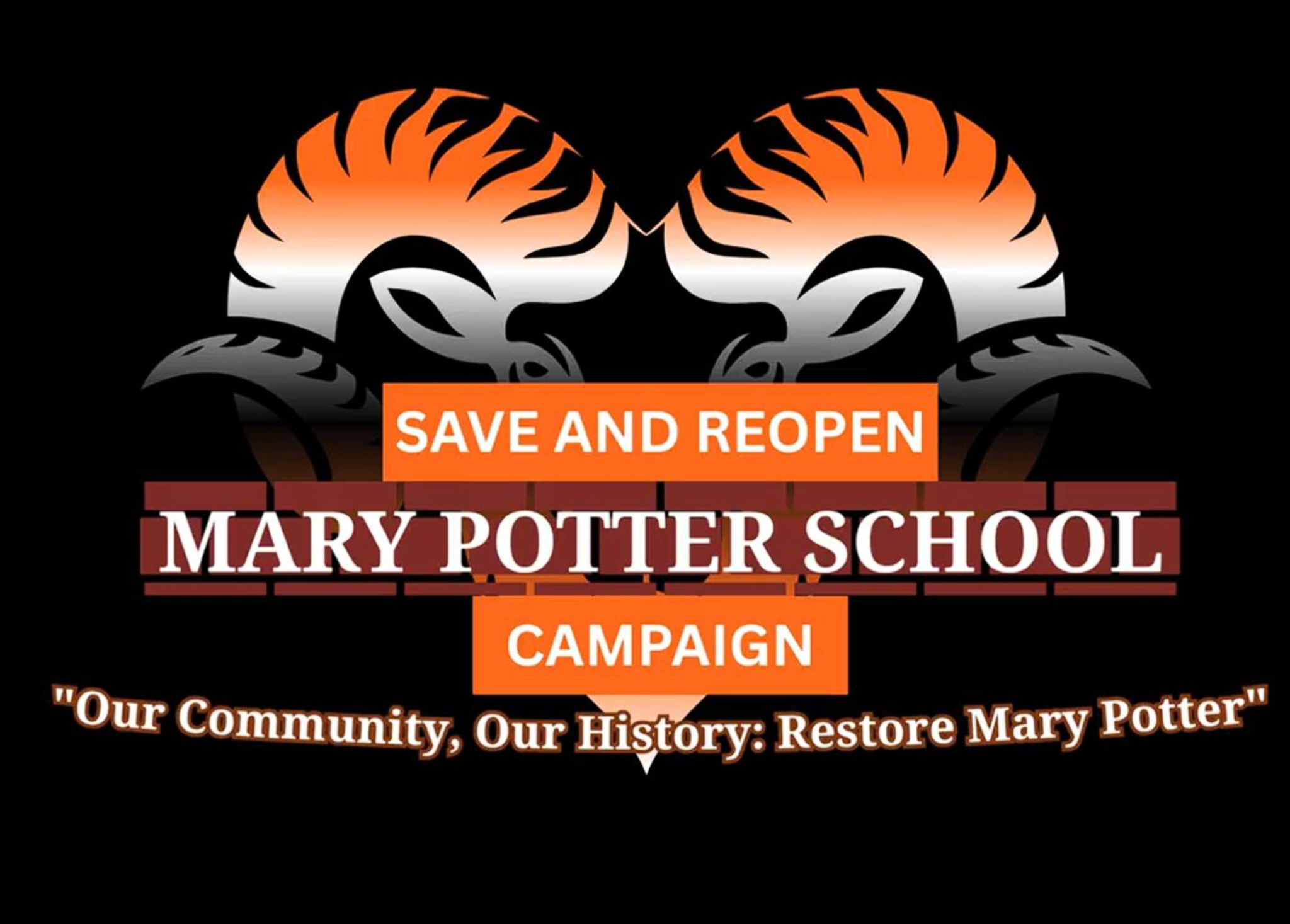
"Our Community, Our History”: Inside Lucas Snyder’s Fight to Restore Mary Potter School

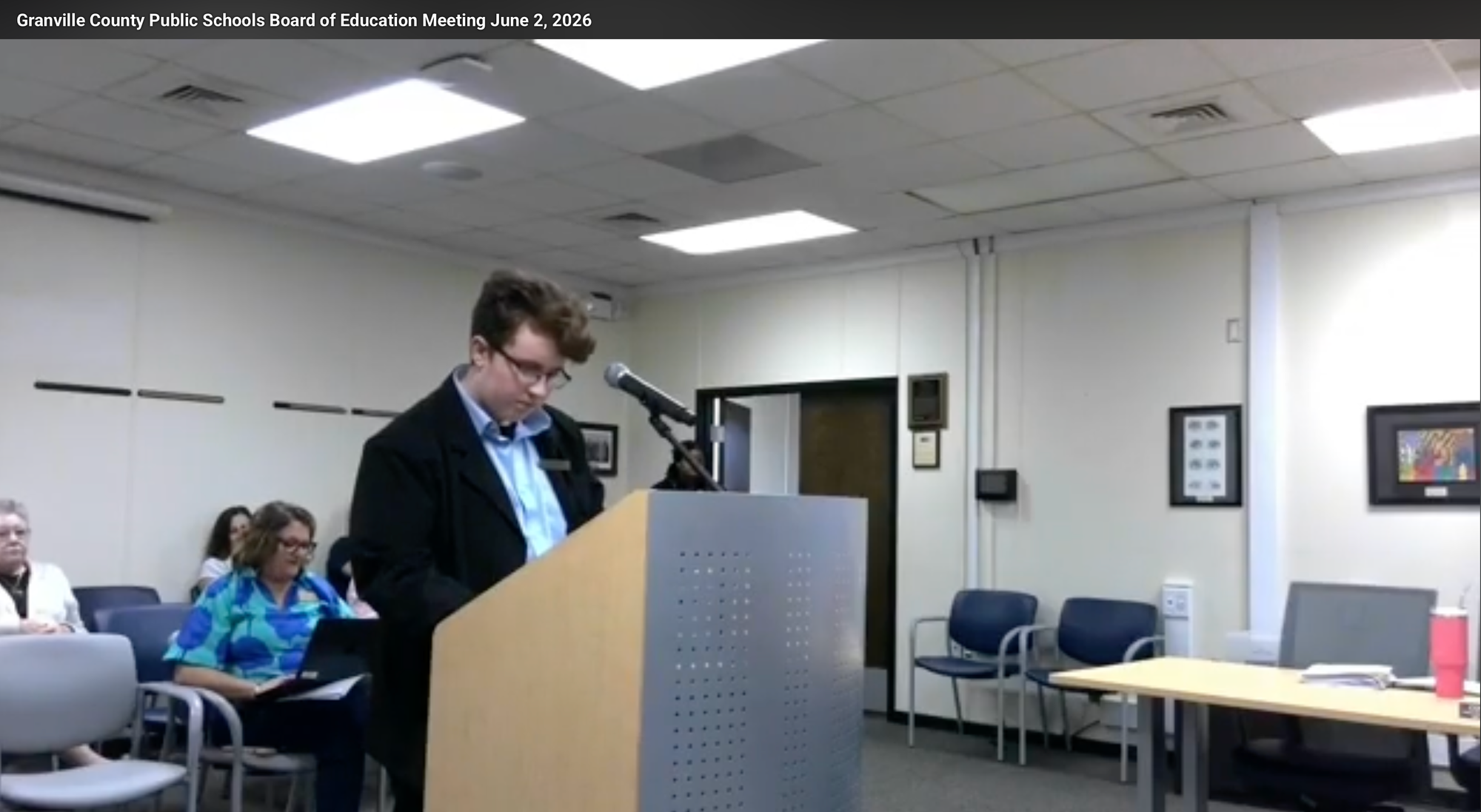
“My name is Lucas Snyder… I am a Granville Academy student, a proud alumnus of the Mary Potter campus.” That’s how Lucas Snyder opened his remarks to the Granville County Board of Education meeting on Tuesday, June 2, announcing the official launch of the Save and Reopen Mary Potter School Campaign, a student-led effort to protect and restore one of Granville County’s most historic educational landmarks. Snyder is a rising 9th grader set to attend Granville County Public Schools in the fall.
A School That Built Generations
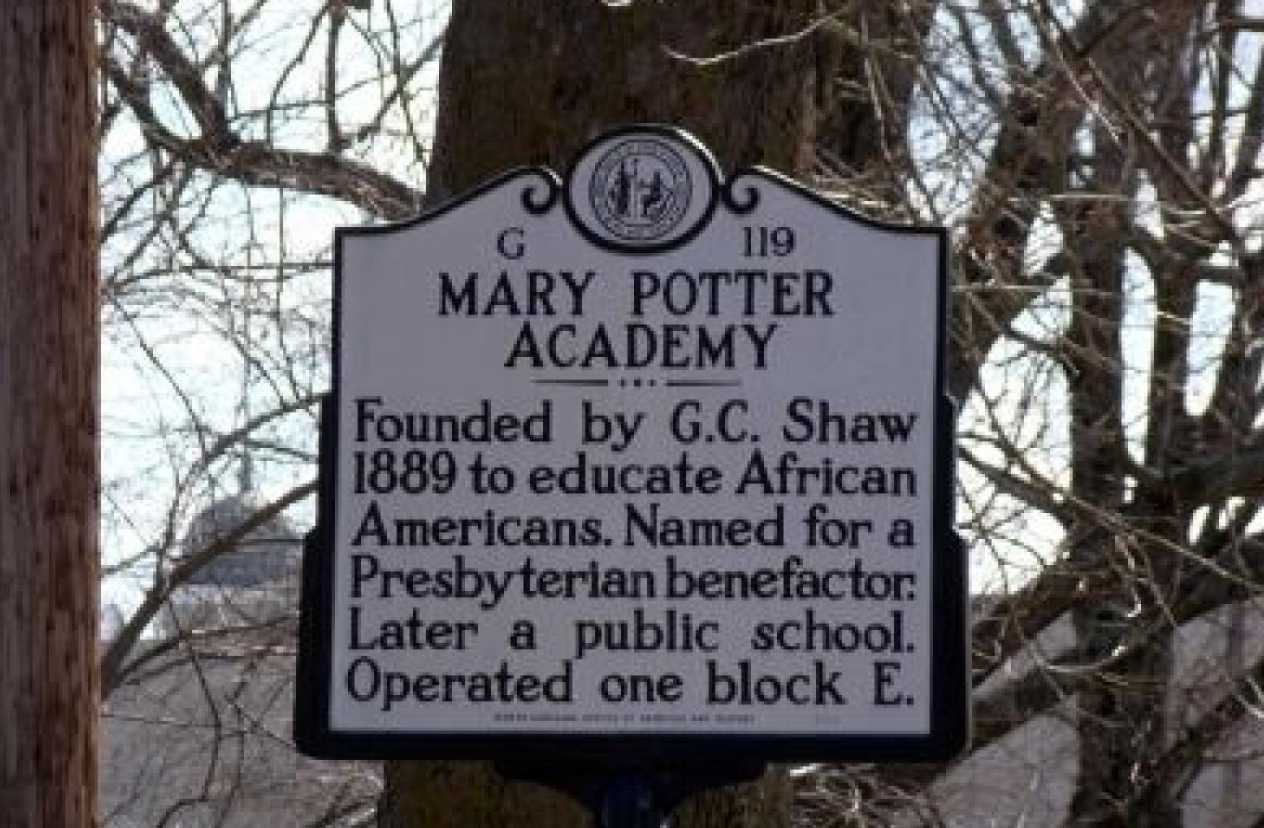
Founded in 1889 as Mary Potter Academy by George C. Shaw, Mary Potter was created to educate formerly enslaved African Americans, later becoming the cornerstone of Black education, culture, and leadership in Granville County.
For over a century, the Mary Potter Academy stood as a place where families educated their children, where students learned to become leaders, and where the community came together to connect. Lucas Snyder is organizing to reopen the school.
A controversial closure
The campus has faced multiple decisions over its closure, each leaving its own impact. In 2019, the Granville County Public Schools Board of Education voted to close and consolidate Mary Potter Middle School, citing declining enrollment and financial pressures. The decision immediately came with protests, walkouts, and emotional testimonies from residents who raised concerns surrounding the loss of a historically Black school and the impact of longer transportation routes on both parents and students. In an effort to find common ground with those opposed to the school’s closure, the board decided to keep the school building in use as the Mary Potter Center for Education, housing central office operations and special programs there.
In 2025, after environmental testing revealed large amounts of mold contamination with multiple air and surface samples confirming unsafe conditions, the district voted to shut down the campus rather than pursue an estimated $6 million remediation plan. That decision directly impacted the educational experience of Snyder and his fellow students who attended school programs housed in the building.
“I experienced first-hand the sudden disruption and displacement our student body faced… our daily learning environment abruptly uprooted due to deferred facility maintenance and toxic mold,” he told the board.
A Student-Led Movement With a Bigger Vision
This campaign is being driven by students with a mission and a leader with a passion rooted in lived experience.
Snyder is also the founder of Helping Hand Bully Prevention & Community Building, a homegrown, youth-led advocacy movement dedicated to protecting Granville County youth and making our schools a safer place to grow up. Snyder describes the campaign as both preservation and progress, emphasizing the campaign’s roadmap:
Remediate, Preserve, Repurpose.
Snyder said his vision is not simply to reopen the school, but to transform it into a modern 6-12 academy that serves both students and the community. His plans include updated facilities, community incubator spaces and cultural programming designed to reconnect the campus with the people it once served.
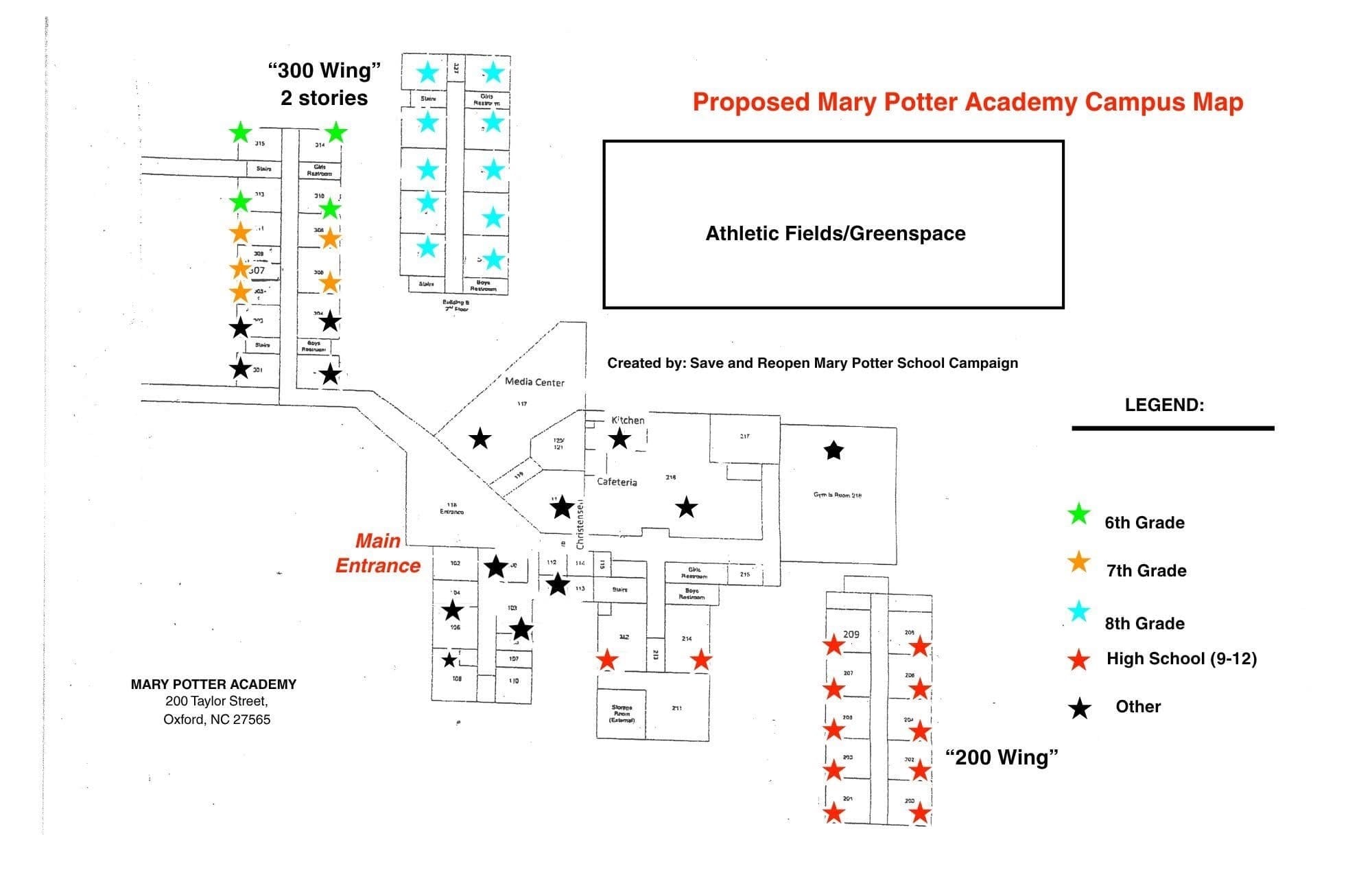
“This is about ensuring our heritage is not erased,” Snyder explained, emphasizing that the fight is as much about identity as it is about infrastructure.
The Cost Question and the Community Response
District leaders have said cost is a major barrier, with remediation costs estimated in the millions. Snyder and his supporters argue that Mary Potter’s historic status opens doors to funding sources that standard school properties would not have access to.
“These include federal historic preservation grants, emergency state infrastructure funds, and public-private partnerships,” he told the board, positioning the campaign as an opportunity for collaboration.
The campaign is mobilizing support through petitions, digital outreach, and public advocacy, while also requesting an official public hearing to ensure transparency and community input.
A Larger Pattern Across Granville County
Snyder is not alone in his effort to save schools in Granville County.
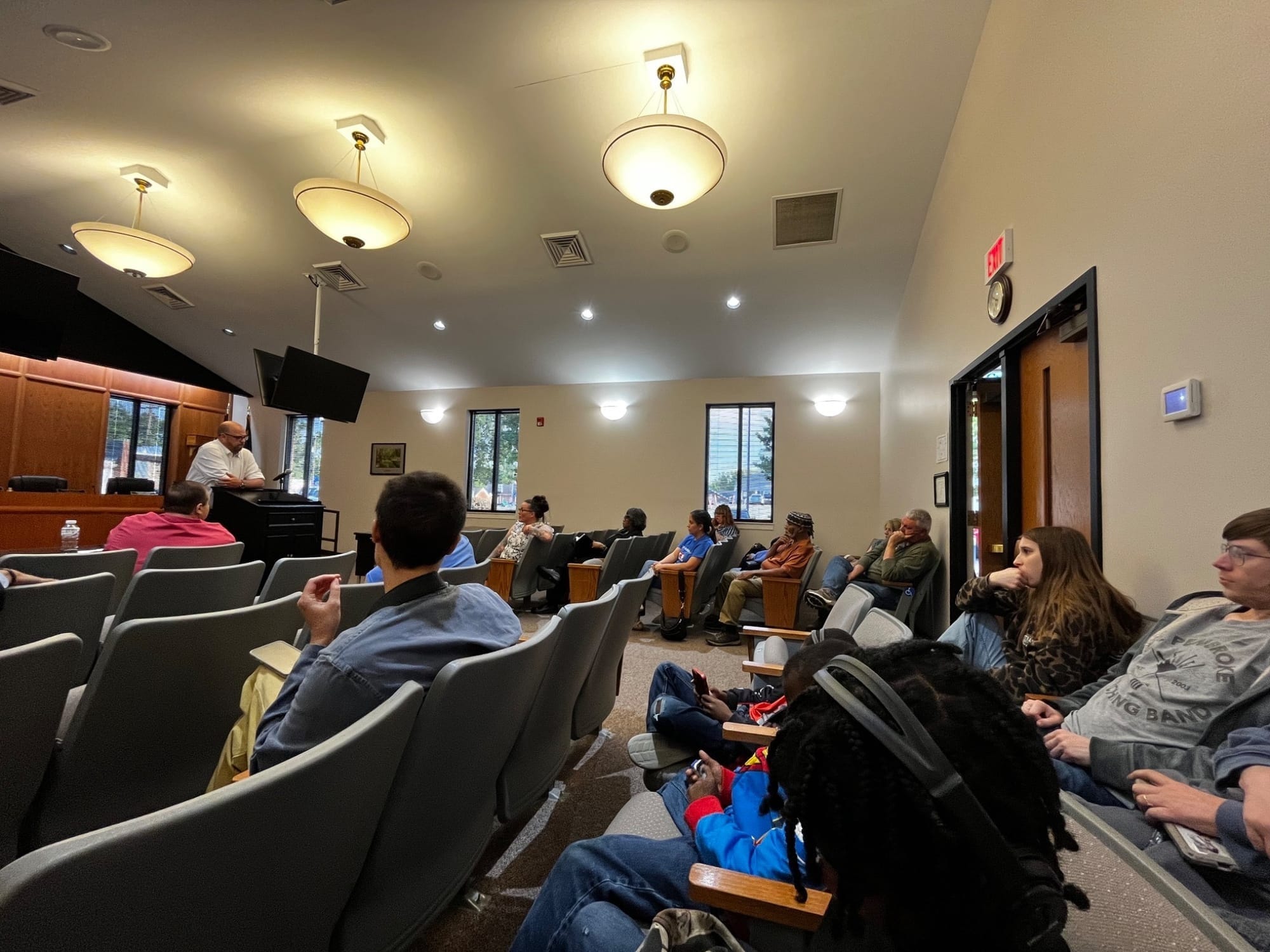
In May, residents gathered at Creedmoor City Hall to discuss the recent closure of Wilton Elementary School, raising concerns around transportation, growth, funding, and whether rural communities can thrive as neighborhood schools continue to disappear. These issues will remain at the forefront as counties continue to balance financial pressures, declining birth rates and the rise of private and charter schools. The question is, how will we as a community shape the future of education in Granville County? When young people speak up and share their vision for the future, adults should take them seriously. It’s their future at stake, after all.
A Call to Action, Not Just a Conversation
Since 2025, the Mary Potter property has been declared surplus, so for Lucas this campaign’s timeline is urgent. The campaign is pushing for state-level intervention, including outreach to Governor Josh Stein, in an effort to secure funding and prevent the potential sale or demolition of the site.
For Snyder and those standing with him, the message is clear and consistent:
“Our Community, Our History: Restore Mary Potter.”
If you would like to stay informed or get involved, you can follow the campaign on Facebook, visit the website, sign the petition, and support the campaign at board meetings and local events.
The story of Mary Potter School is still unfolding. What happens will be shaped by students, families, leaders, and residents who believe in using their voices and advocating together for decisions that reflect their community’s values.