
Inside a Granville County food ministry

On the morning of April 10, 2026, I arrived at Area Congregations In Ministry (ACIM) during their food distribution hours, from 9:00 a.m. to 11:30 a.m. As a community reporter, I came to document the process, but what I experienced was far deeper than logistics. I witnessed a system built on trust, compassion, and community collaboration.
From the moment I stepped inside, I could feel that this was more than just a food pantry. It was a place where dignity is protected, needs are met, and people show up for one another.
Walking Through the Process
Mrs. Ann Riley, Executive Director of ACIM, guided me through the facility, explaining every step of how they serve the community. She began by sharing the history of the building, which once operated as Granville Hosiery during World War II. ACIM moved into the space in 2010.
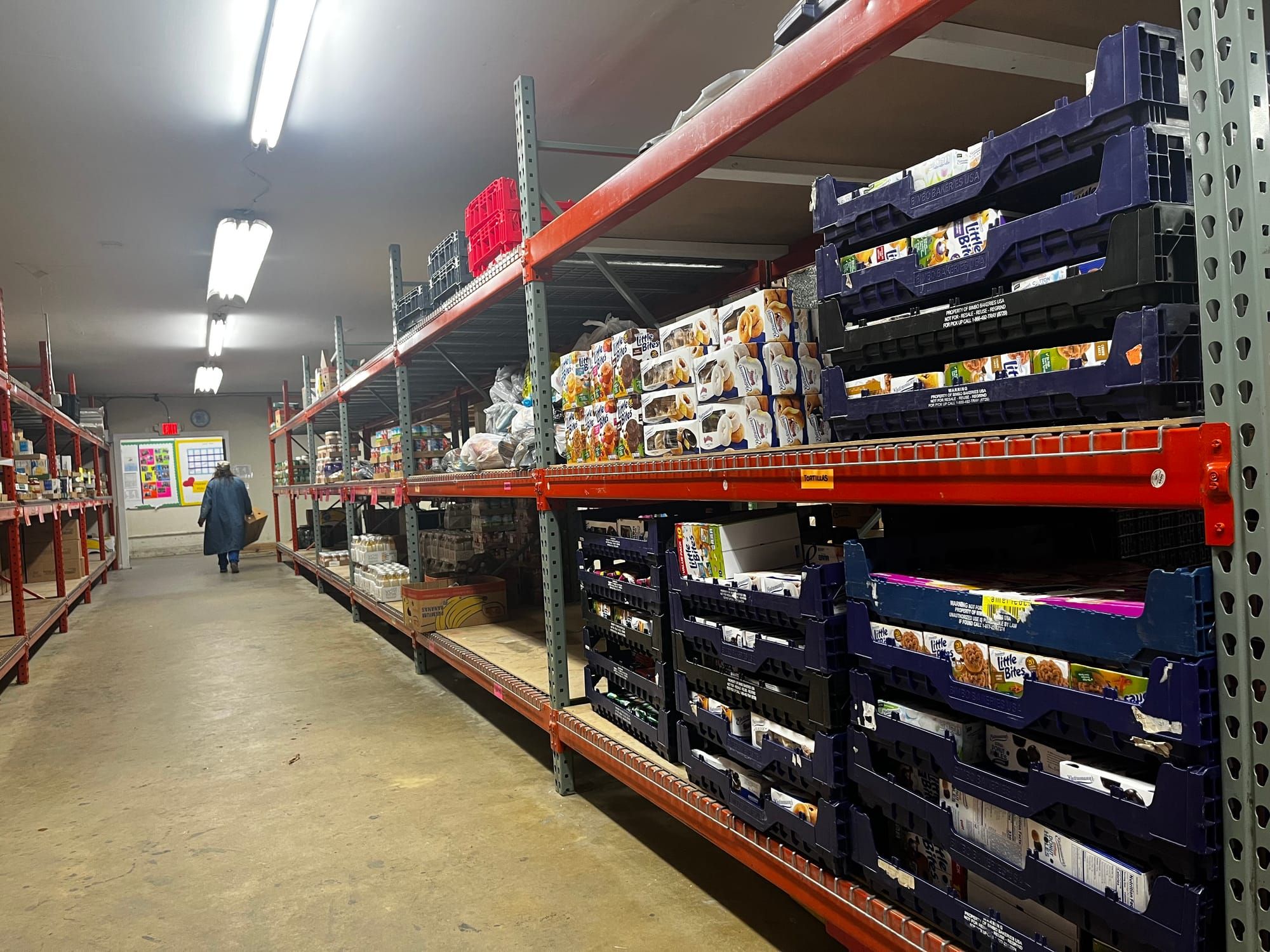
As we walked through the pantry, I saw shelves lined with carefully packed food items, canned goods, breakfast foods, and non-perishables, all sorted by category to make the process efficient and accessible. Riley explained that everything is either donated or purchased through grants, which she applies for monthly to keep the pantry running.
What stood out to me most was the intentionality behind every detail. Even snack bags are thoughtfully prepared, filled with items like chips, cookies, and juice packs to ensure families receive not just food, but options.
A System Built on Trust
One of the most powerful moments for me was learning about ACIM’s intake process. Clients are not required to show proof of income or residency. Instead, they verify their information through a simple conversation. ACIM chooses to trust people.
That decision says a lot about their values.
Clients move from intake to their vehicles, where they enter a drive-through style line. From there, volunteers take over, loading carts, gathering food, and placing it directly into vehicles. It's efficient, but also respectful. No one is made to feel less than.
Seeing Service in Action
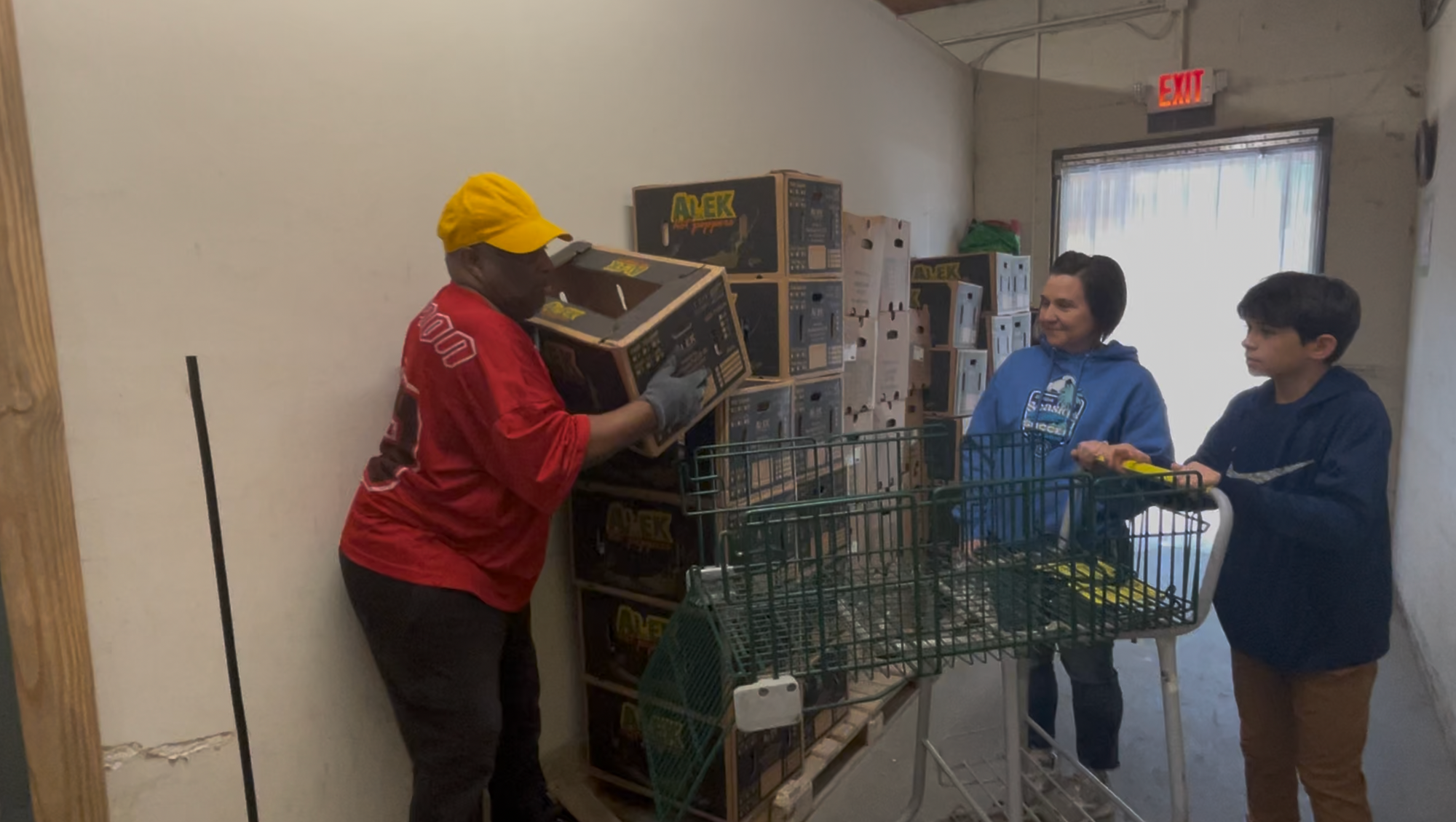
While observing the distribution line, I had the opportunity to film Mrs. Kellie Harden and her son Jimmy Harden as they moved through the process. Watching them work side by side, selecting food, moving with purpose, and helping ensure everything reached the clients, was a powerful reminder that service is often a family commitment
“We live in Wake County, but we come here often because I’m from here.” said Harden
I also spoke with volunteers Junior Fountain and Patricia Williams, who shared their experiences serving at ACIM. Their dedication was evident not just in their words, but in their presence. They moved with care, urgency, and heart, understanding that every car in that line represented a real need.
More Than a Food Pantry
As the tour continued, I began to understand the full scope of ACIM’s work.
They operate multiple programs, including a Backpack Buddies initiative that provides weekend meals for students in Granville County. Each bag is packed with enough food to cover breakfast, lunch, dinner, and snacks, ensuring children don't go hungry when school resources aren't available.
They also distribute emergency food through federal programs and provide additional support for seniors, though the demand continues to exceed capacity.
What stood out to me was how much they do with what they have, and how intentional they are about not wasting anything. From recycling cardboard to repurposing food scraps through local partnerships, ACIM operates with both efficiency and sustainability in mind.
The Bigger Picture
As I stepped back and looked at the full operation, from intake to distribution to logistics, I realized that ACIM is not just responding to food insecurity. They are actively building a system that supports people with dignity.
Their volunteer drivers traveled over 8,000 miles last year to pick up and deliver food. That level of commitment speaks volumes about the scale of need and the level of dedication required to meet it.
But even with all they do, there are still gaps. Mrs. Riley shared the challenge of reaching children during the summer months when school is not in session. It's a reminder that while organizations like ACIM are doing critical work, the need continues beyond their current capacity.
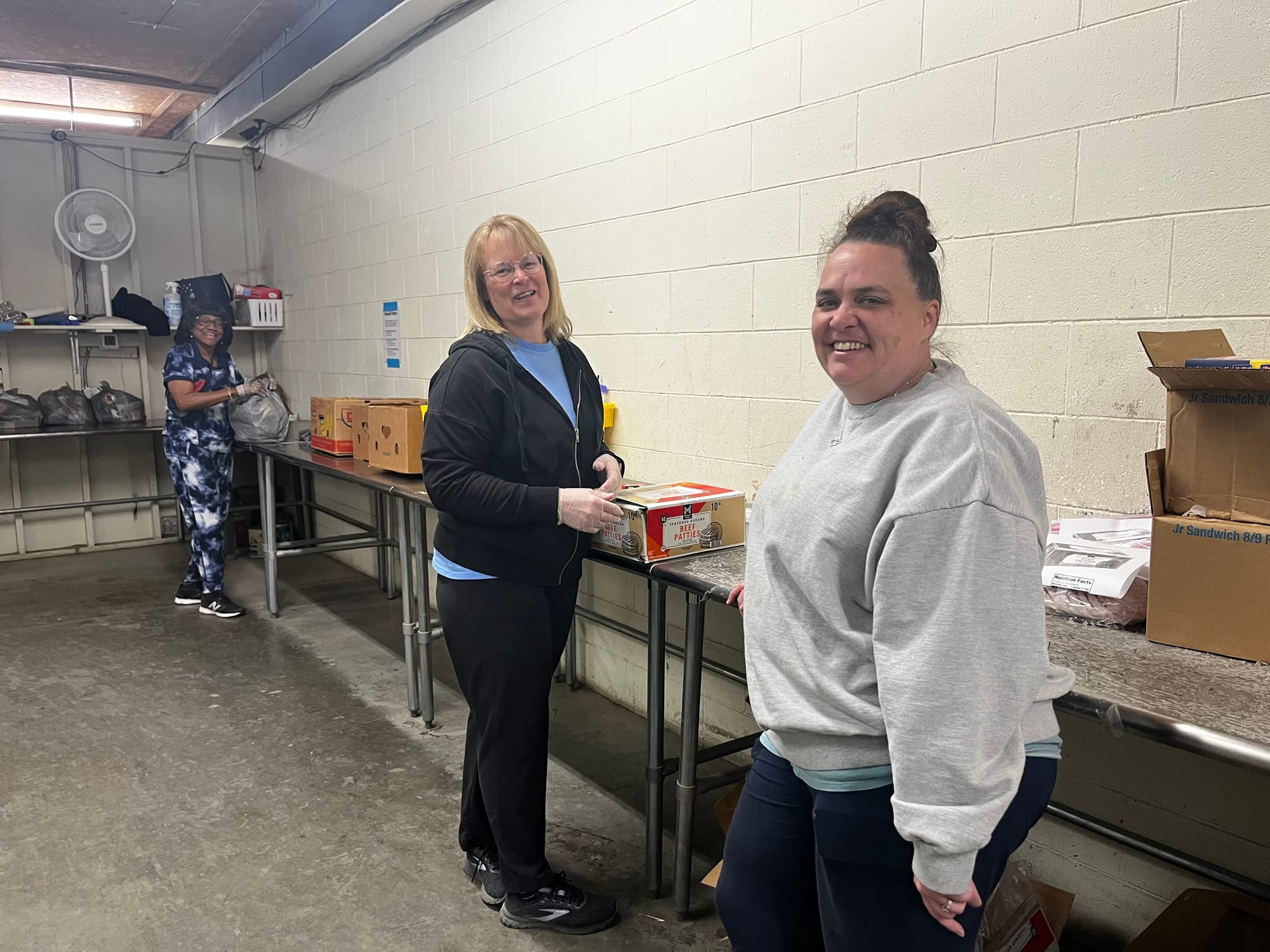
In my visit to Area Congregations in Ministry, I didn't just see a food distribution ministry – I saw a community in motion: people showing up, filling gaps, and making sure no one is left behind.
From Ann Riley’s leadership to the dedication of volunteers like Junior Fountain, Patricia Williams, and families like the Hardens, ACIM represents what it looks like when a community takes care of its own.
And as I left that morning, one thing stayed with me:
This work is not just about food.
It's about people.